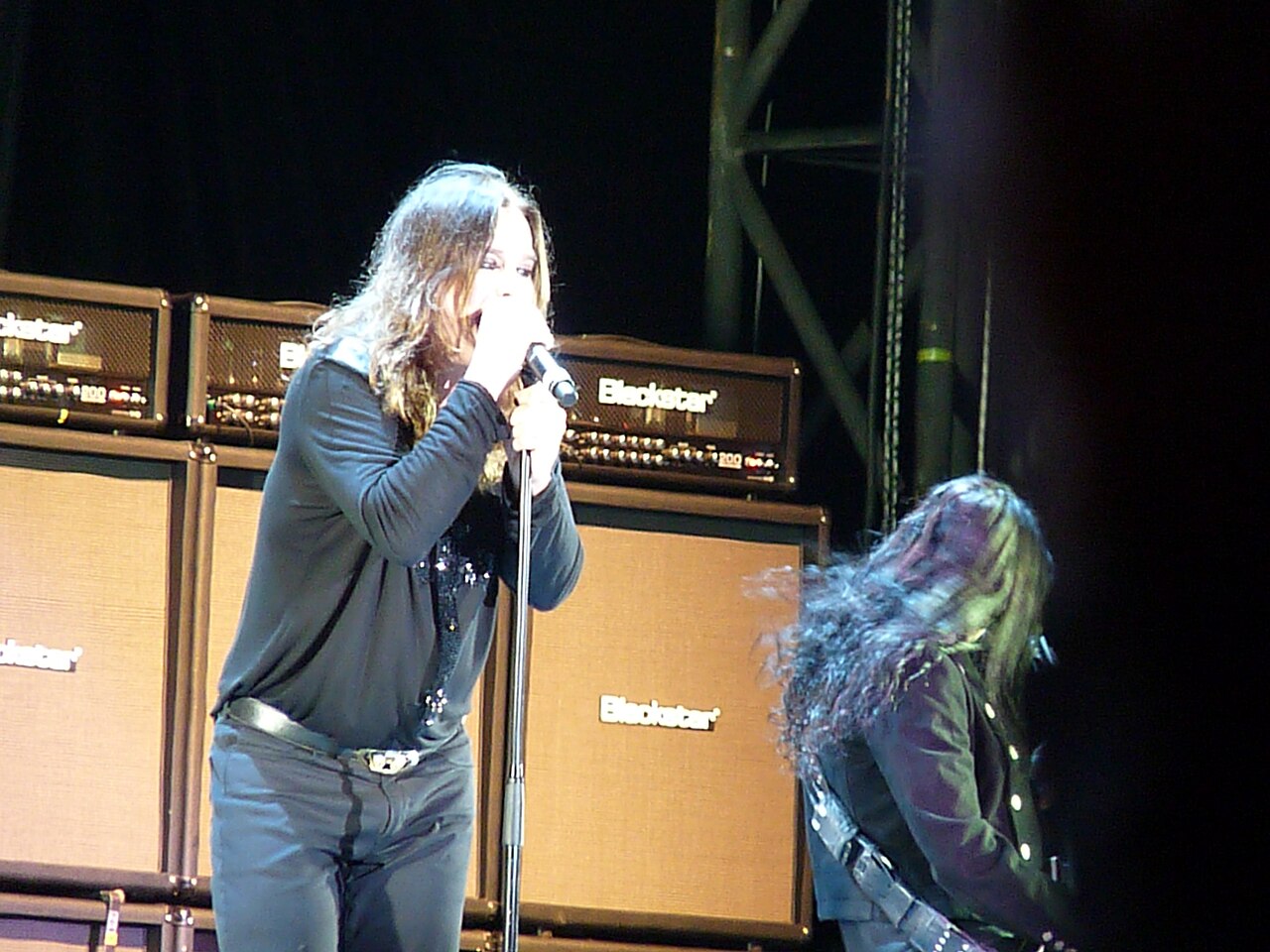
Ozzy Osbourne live at Azkena Rock Festival, 2011 — photo: Teresa Sedó, CC BY 2.0, via Wikimedia Commons
Ozzy Osbourne
John Michael Osbourne, Birmingham, 1948–2025. The voice on the records that named heavy metal, then a solo career that doubled as the genre’s best A&R department — the run of guitarists who came through his band reshaped metal at least twice.
We cover Ozzy as a living system, not an obituary: the Black Sabbath seed, the solo-years talent pipeline, and an ending — seventeen days after the perfect farewell show — that felt like he’d scripted it. Not bad for the guy everyone spent five decades calling a madman.
Pull a thread
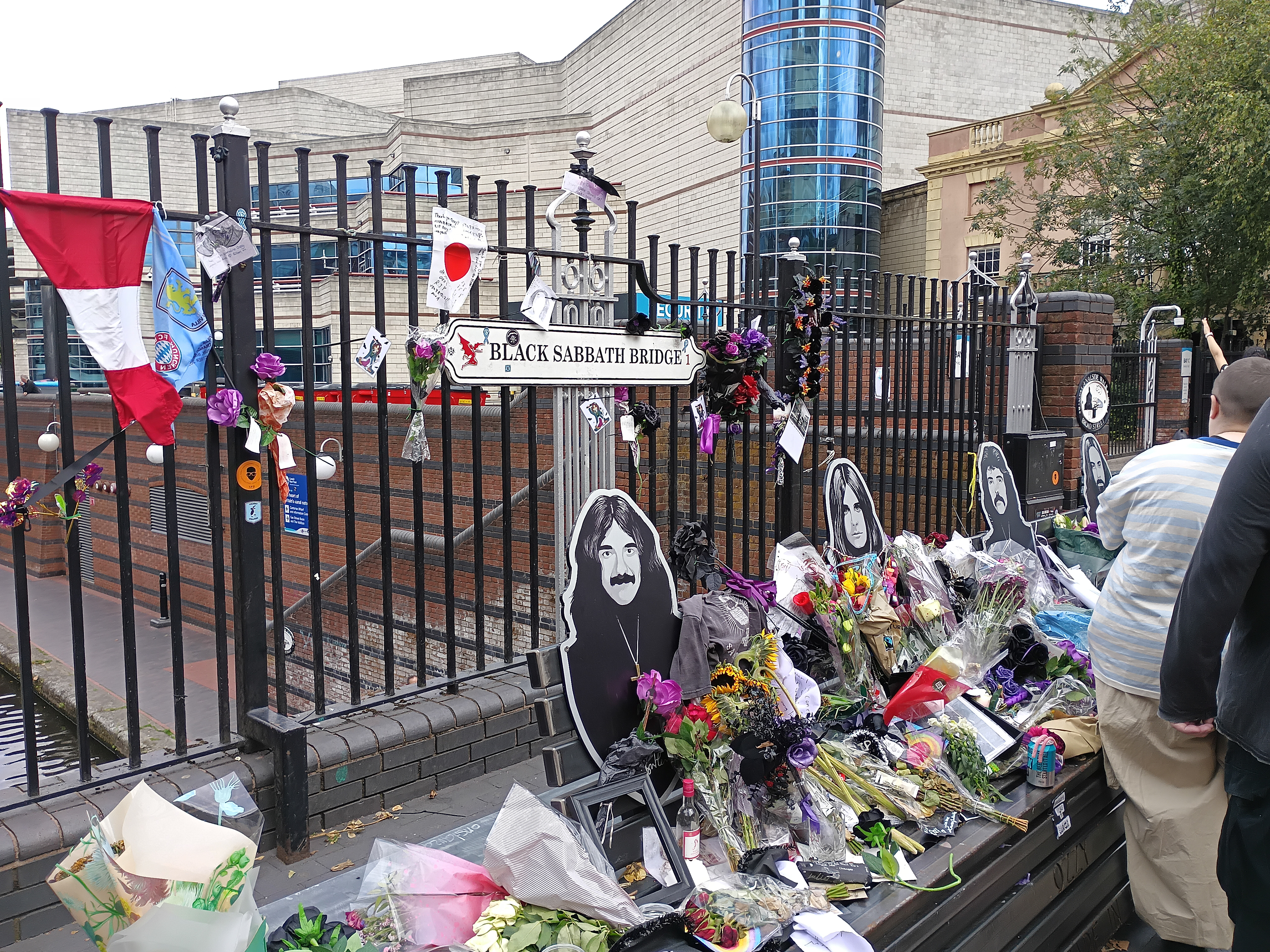
Why Tony Iommi Turned Down Andrew Watt's Offer of a Final Black Sabbath Album
The producer who ran Ozzy Osbourne’s last two solo records asked for one more Black Sabbath album with the original four. Tony Iommi said no, and in a new Classic Rock interview he explained why.
The ask, and the answer
In a new interview with Classic Rock, picked up by Blabbermouth and Stereogum, Tony Iommi told a story most of us had never heard. A few years ago, when Ozzy Osbourne started working with Andrew Watt, Watt came to Iommi with a proposal: one last Black Sabbath album, the four original members, done properly.
Back to the Beginning: the map Ozzy Osbourne left behind, and the charity number everyone got wrong
Every branch of heavy music sent a band to Villa Park on 5 July 2025 to play in front of the man who sang the first record. The map holds up when you check it. The money story did not.
Friday the 13th, 1970
Black Sabbath put out their first album in the UK on 13 February 1970, a Friday, on Vertigo. Tony Iommi has said the whole thing was recorded in a single twelve-hour session on 16 October 1969 (Rolling Stone). The first thing you hear on it is rain. Then a church bell, then thunder. Then Iommi’s riff, slow and loud, with so much air between the hits that you can hear the room. Ozzy Osbourne comes in over it sounding like a man who has just seen something he was not supposed to see.
Back to the Beginning: How Ozzy Osbourne Solved Rock's Last Show Problem
Rock almost never gets to choose how it ends. On July 5, 2025, at Villa Park, Ozzy Osbourne did, and the seventeen days that followed turned one farewell show into the most complete goodbye the genre has ever pulled off.
Rock is terrible at endings
Think about how rock careers actually end: a cancelled tour, a press release, a farewell run that turns into three more farewell runs, a slow fade into casino residencies, or a sudden stop in a hotel room that nobody chose. The catalog gets a deluxe reissue and the story trails off.

Dear Daughter: How Lzzy Hale Rewired Rock's Parent-to-Child Song
Rock has been writing letters to its kids for fifty years. Halestorm’s ‘Dear Daughter’ is the first one addressed to a child who doesn’t exist, and that’s why it works.
The lineage: rock’s closed letters
There’s a whole branch of the rock family tree that most people never map, because the songs on it don’t sound alike. They’re connected by who they’re written to.
Bob Dylan’s “Forever Young” is the structural grandparent: a blessing-list, one wish per line, sealed and handed down. John Lennon’s “Beautiful Boy (Darling Boy)” did it for Sean. David Bowie’s “Kooks” did it for Duncan, with a wink. Billy Joel’s “Lullabye (Goodnight, My Angel)” did it for Alexa. On the heavier side of the family, Staind’s “Zoe Jane” is the closest hard-rock analogue, and Creed’s “With Arms Wide Open” did it for a son who hadn’t even arrived yet.
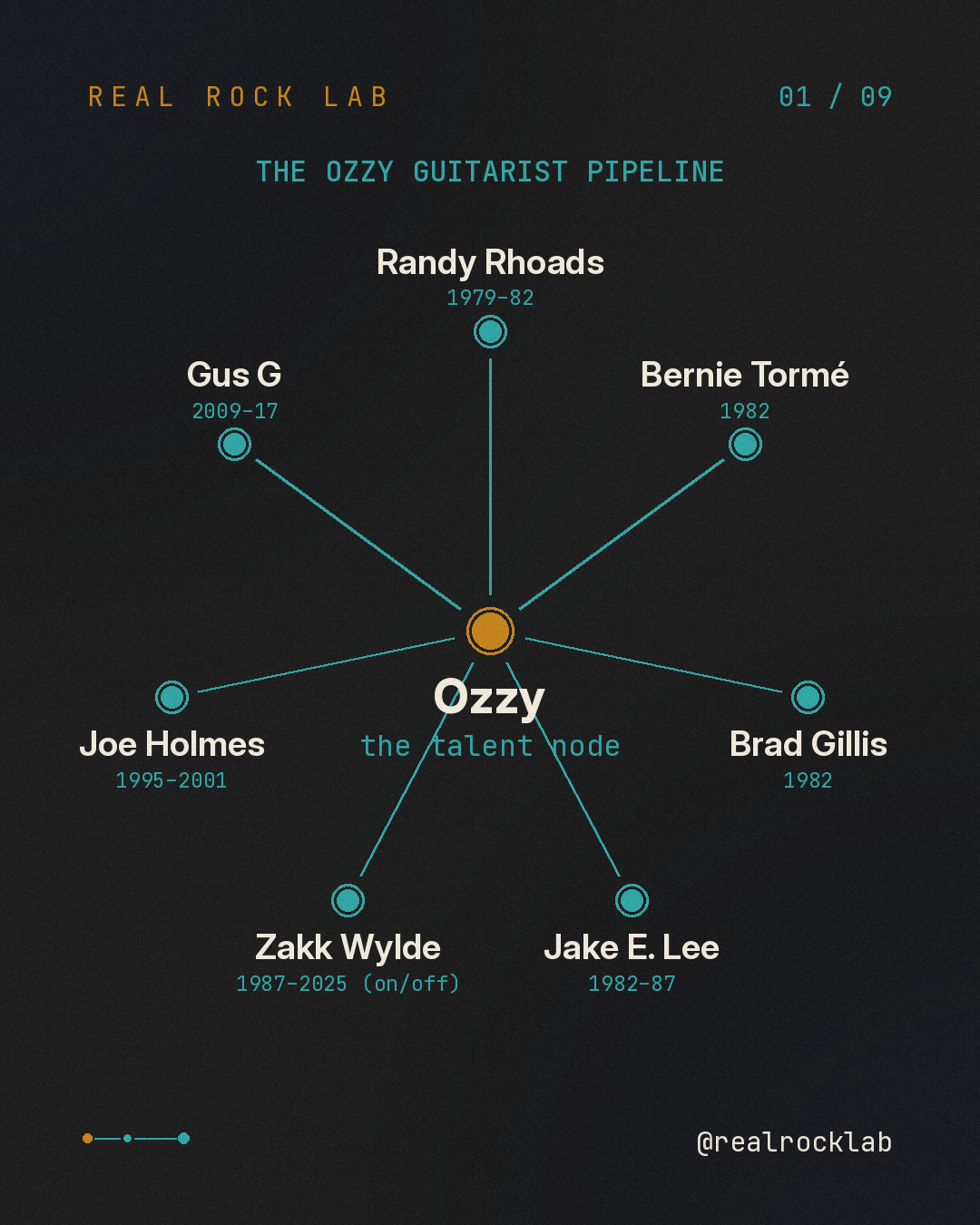
Ozzy Osbourne's Guitarists: How Rock's Greatest A&R Career Happened by Accident
Part 2 of 4 in our series climbing to July 22. Ozzy Osbourne never scouted a guitarist in his life. He collided with them. Seven collisions, four decades, and a family tree half of rock still lives in.
The frontman who kept tripping over the future
Last week we traced how heavy metal itself started with an industrial accident in a Birmingham factory. With Ozzy Osbourne, the accidents never stopped. They just changed shape.
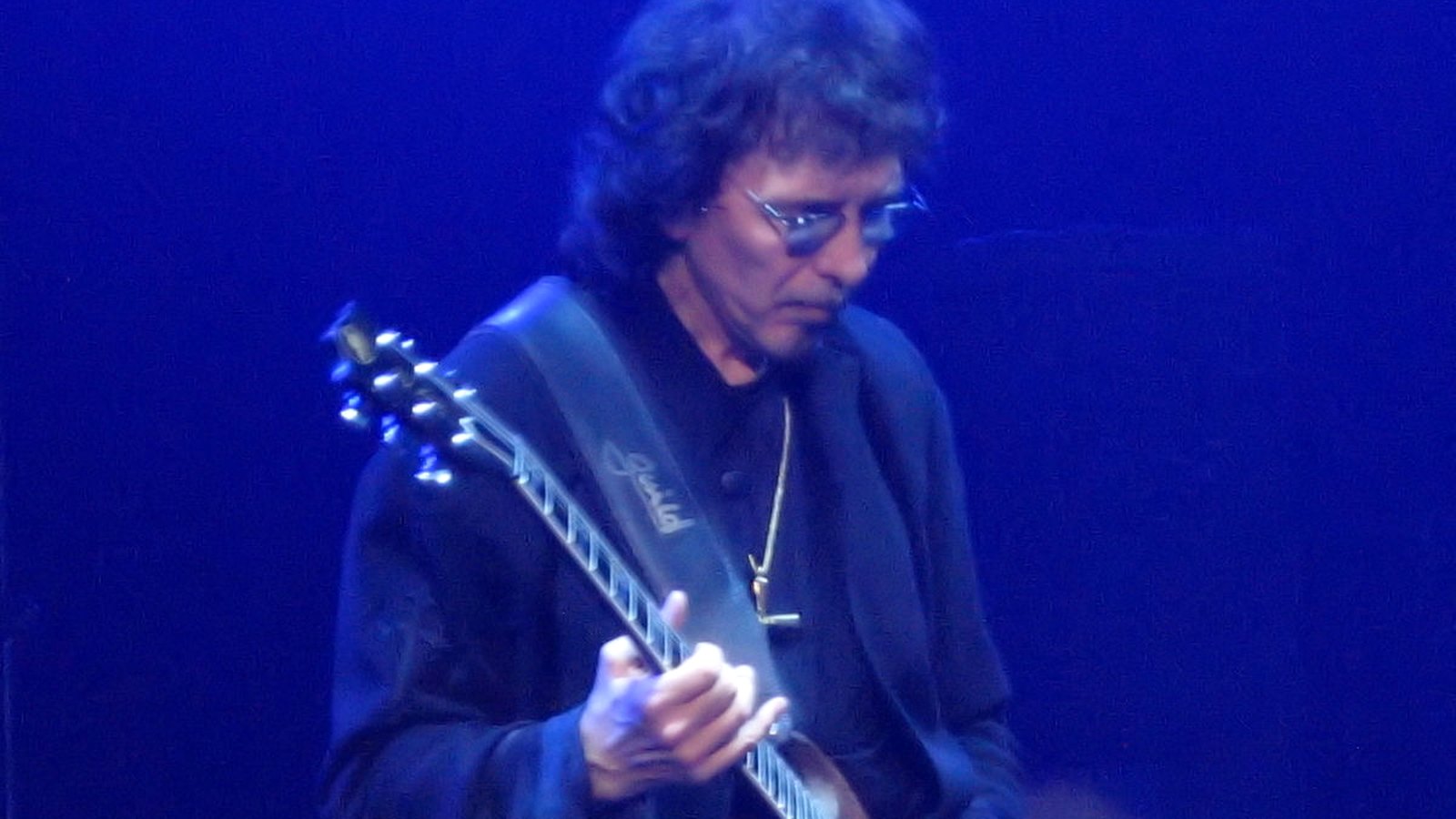
The Factory Accident That Invented Heavy Metal: Tony Iommi's Last Day at Work
Almost a year after Ozzy Osbourne’s death, we’re tracing, in four connected pieces climbing to July 22, how Black Sabbath happened at all. It starts at a sheet-metal press in Birmingham, on the last day Tony Iommi ever intended to work there.
One shift left
It sounds like a screenwriter invented it: Birmingham, 1965. Tony Iommi is 17, working in a sheet-metal factory, and he’s already quit. He has one shift left before he leaves to go be a professional guitarist. He’d lined up a gig with a working band and a run of shows in Germany. It was his mother who talked him into going in for that final day rather than skipping it: finish it proper.
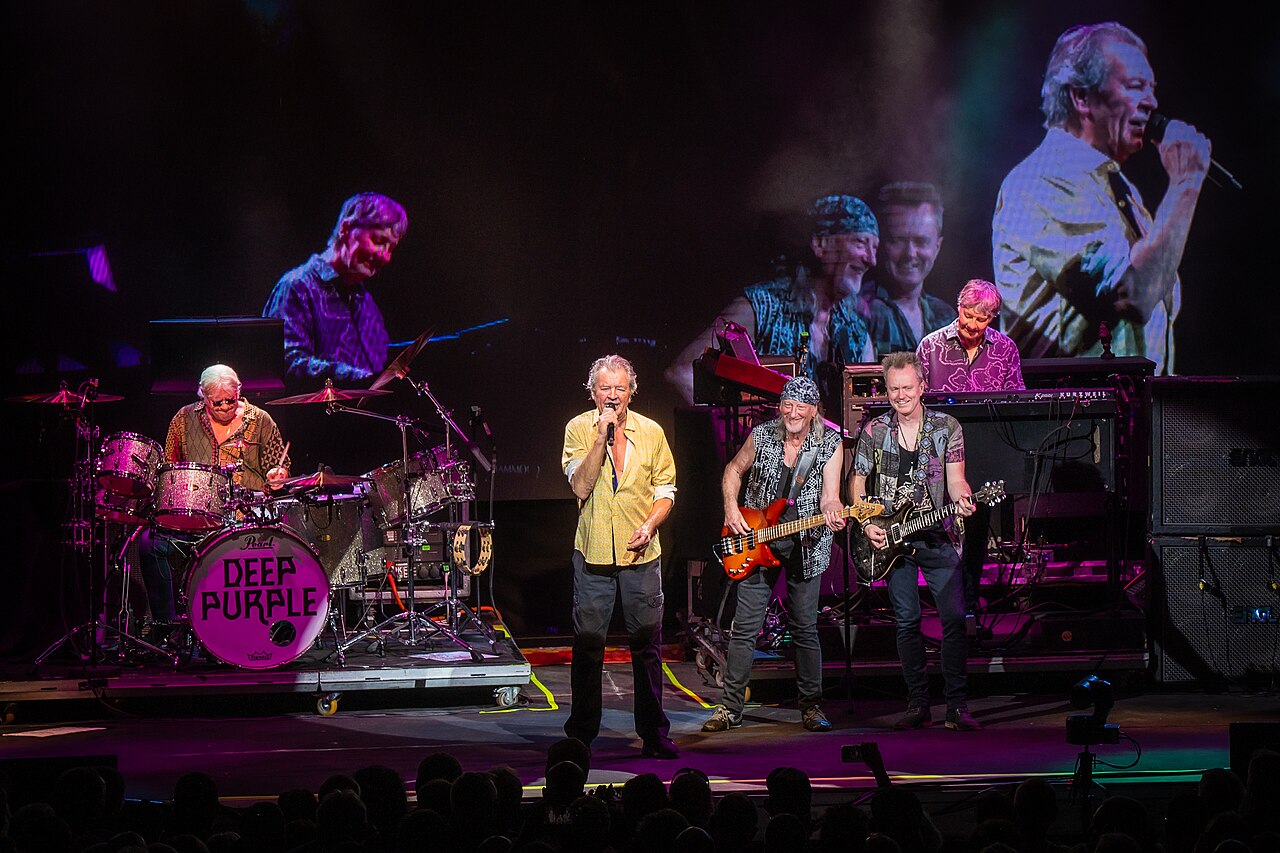
Deep Purple Named Their Farewell Tour Ten Years Ago. They Just Refused to Finish It.
Deep Purple have a new album out, Splat!, released July 3, and an 86-show run across 28 countries and three continents booked behind it. That’s not the schedule of a band winding down, which is funny, because Deep Purple officially started saying goodbye a decade ago.
Asked about the end, bassist Roger Glover didn’t blink. “We’re not gonna have a final tour, a final gig and make a hoopla about it,” he told Paul Cashmere in a video interview with Noise11 (2026).