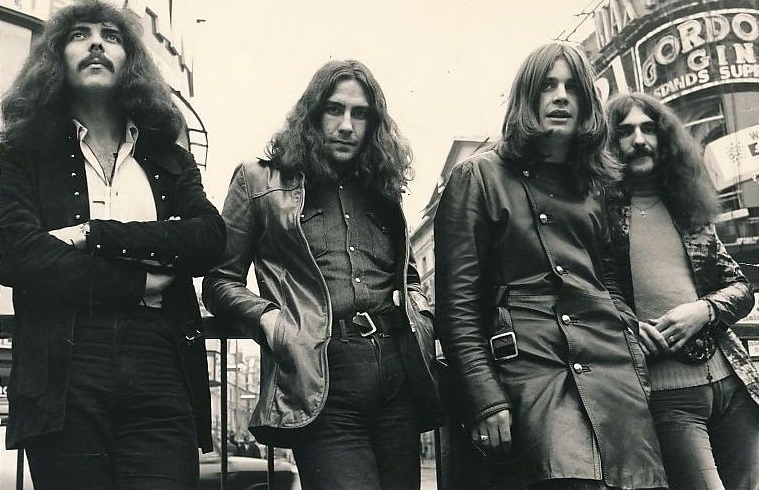
Black Sabbath in London, 1970 (public domain, via Wikimedia Commons)
Black Sabbath
Four working-class kids from Birmingham who set out to be a blues band and accidentally invented a genre. The origin story is industrial in the most literal sense: a sheet-metal press took Tony Iommi’s fingertips, the workaround took the guitar down in pitch, and the sound that came out had no name yet. By the time the debut album landed in 1970, it did.
Black Sabbath is the trunk of more family trees than any other band we cover — doom, stoner, thrash, basically every heavy branch traces back through them. Which is exactly why they keep showing up in the lab: pull almost any metal thread hard enough and you end up in Birmingham, 1968.
Pull a thread
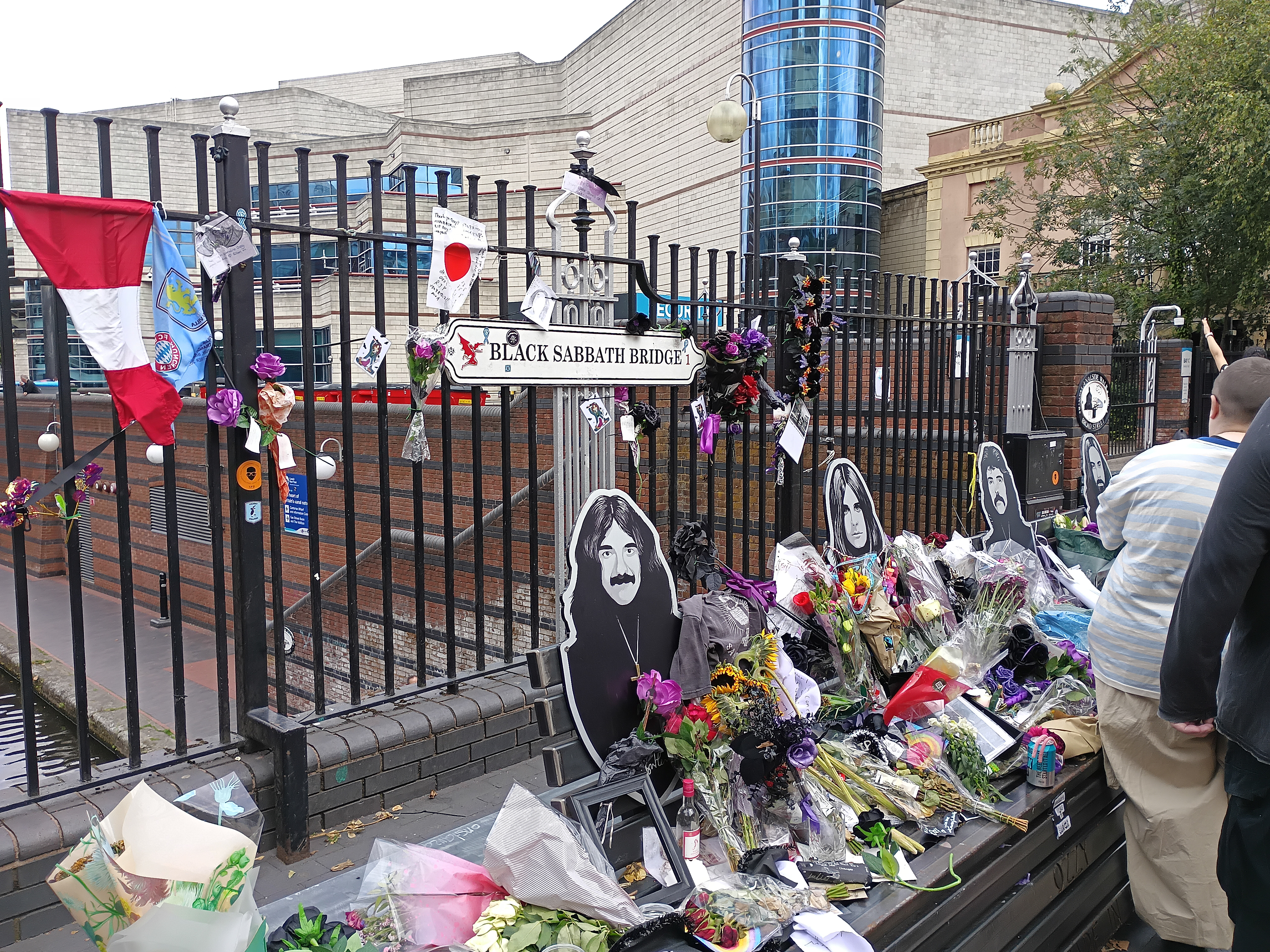
Why Tony Iommi Turned Down Andrew Watt's Offer of a Final Black Sabbath Album
The producer who ran Ozzy Osbourne’s last two solo records asked for one more Black Sabbath album with the original four. Tony Iommi said no, and in a new Classic Rock interview he explained why.
The ask, and the answer
In a new interview with Classic Rock, picked up by Blabbermouth and Stereogum, Tony Iommi told a story most of us had never heard. A few years ago, when Ozzy Osbourne started working with Andrew Watt, Watt came to Iommi with a proposal: one last Black Sabbath album, the four original members, done properly.
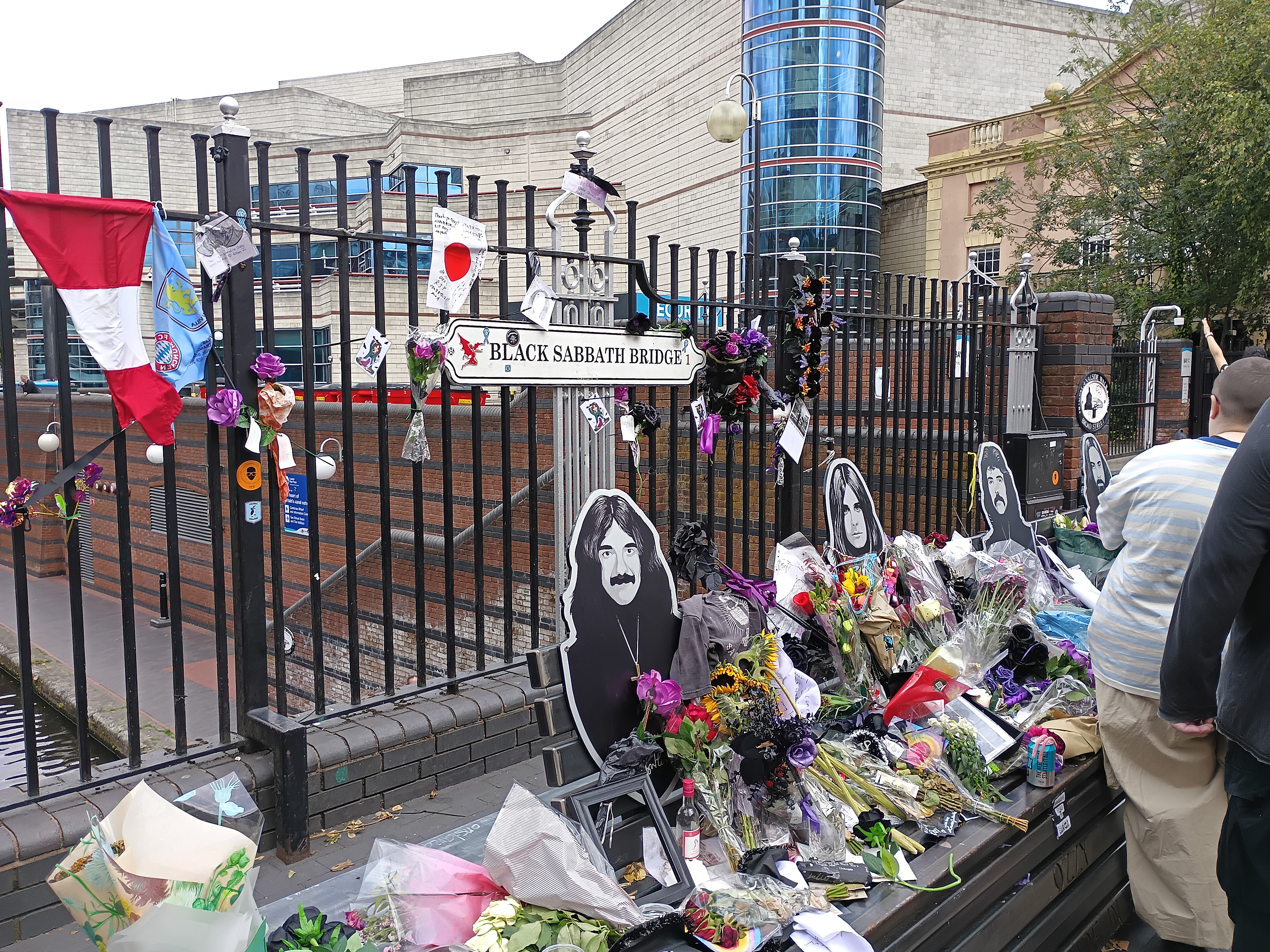
Back to the Beginning: the map Ozzy Osbourne left behind, and the charity number everyone got wrong
Every branch of heavy music sent a band to Villa Park on 5 July 2025 to play in front of the man who sang the first record. The map holds up when you check it. The money story did not.
Friday the 13th, 1970
Black Sabbath put out their first album in the UK on 13 February 1970, a Friday, on Vertigo. Tony Iommi has said the whole thing was recorded in a single twelve-hour session on 16 October 1969 (Rolling Stone). The first thing you hear on it is rain. Then a church bell, then thunder. Then Iommi’s riff, slow and loud, with so much air between the hits that you can hear the room. Ozzy Osbourne comes in over it sounding like a man who has just seen something he was not supposed to see.
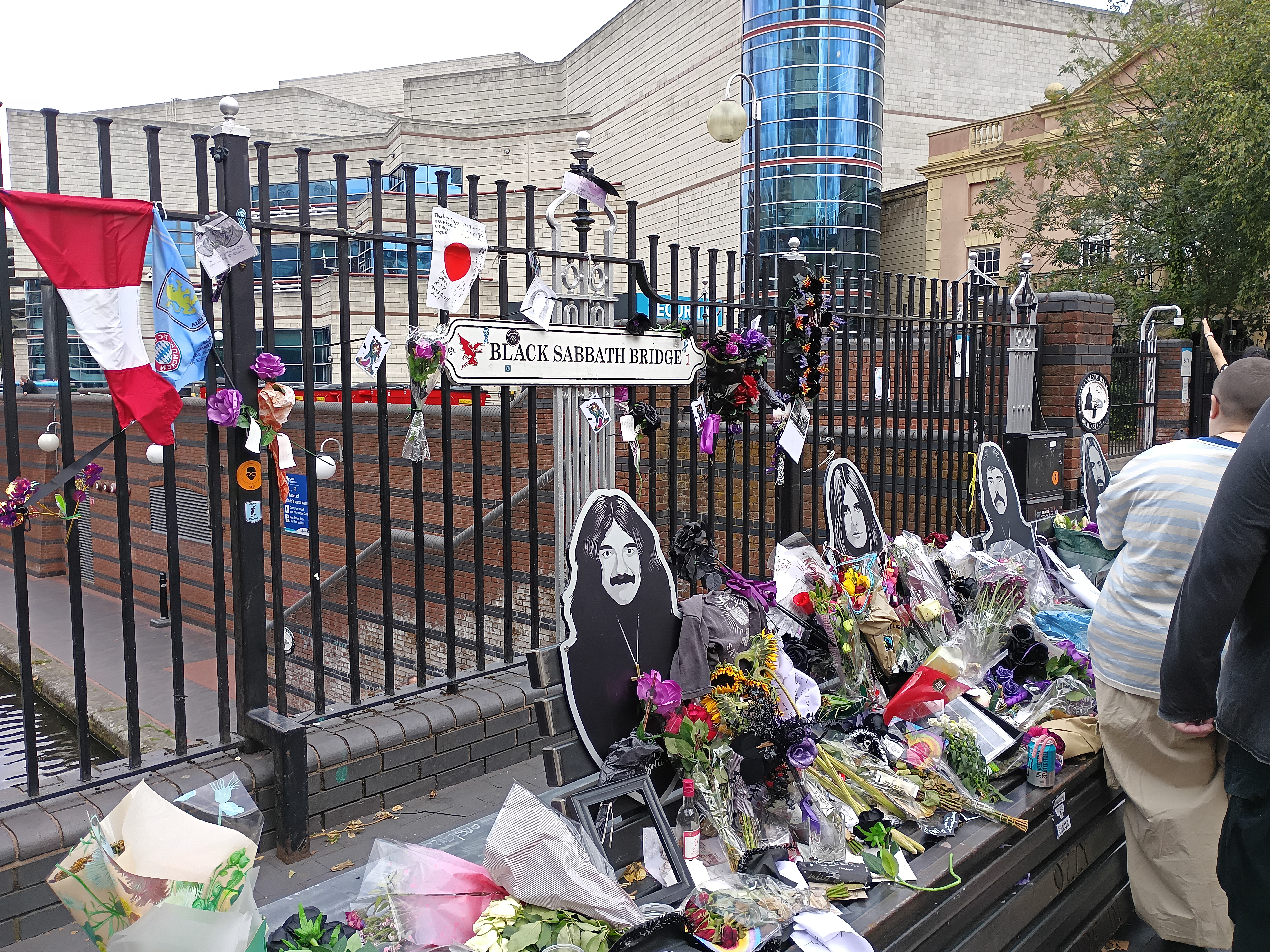
Deep Purple split in 1973 — and grew back as four bands
Ian Gillan says “outside influences” broke Mark II. Ritchie Blackmore says two alpha males who couldn’t share a room. Neither version explains the stranger part: what the wreckage built.
Five guys in a van in 1968. By 1980, if you had a rock station on, you were hearing Rainbow, Whitesnake, Black Sabbath and Deep Purple in the same hour — and the people in those four bands had mostly stopped speaking to each other. One argument, four discographies.
Queen has never made an album with Adam Lambert — and that's why he's still there
Roger Taylor says a return to the stage is “more down to Brian.” Fifteen years in, the thing that keeps Adam Lambert safe is the record Queen never finished.
Asked in June 2026 whether Queen would play live again, Roger Taylor did not say the band was tired. He said something stranger, and more useful:
“Well, it is a big machine to gear up, if you know what I mean.”
Sepultura's Rock in Rio setlist is Derrick Green-only — and the discography says that's the correct call
On September 5 Sepultura open the Palco Mundo at Rock in Rio with no “Roots Bloody Roots,” no “Arise,” no “Ratamahatta.” Nothing from the founding era. Look at what the band recorded and the omission stops looking like a snub.
What was announced, two days before the show
On September 3, 2026, Sepultura let it out: the Rock in Rio set would be drawn exclusively from material recorded with Derrick Green, from Against (1998) through The Cloud of Unknowing, the four-track EP released on April 24, 2026. The three songs everyone in that field knows by heart, the ones from the Max Cavalera years, are not on the list (Rolling Stone Brasil). The band opens the day on the main stage (Wikimetal).
Back to the Beginning: How Ozzy Osbourne Solved Rock's Last Show Problem
Rock almost never gets to choose how it ends. On July 5, 2025, at Villa Park, Ozzy Osbourne did, and the seventeen days that followed turned one farewell show into the most complete goodbye the genre has ever pulled off.
Rock is terrible at endings
Think about how rock careers actually end: a cancelled tour, a press release, a farewell run that turns into three more farewell runs, a slow fade into casino residencies, or a sudden stop in a hotel room that nobody chose. The catalog gets a deluxe reissue and the story trails off.
Ozzy Osbourne's Guitarists: How Rock's Greatest A&R Career Happened by Accident
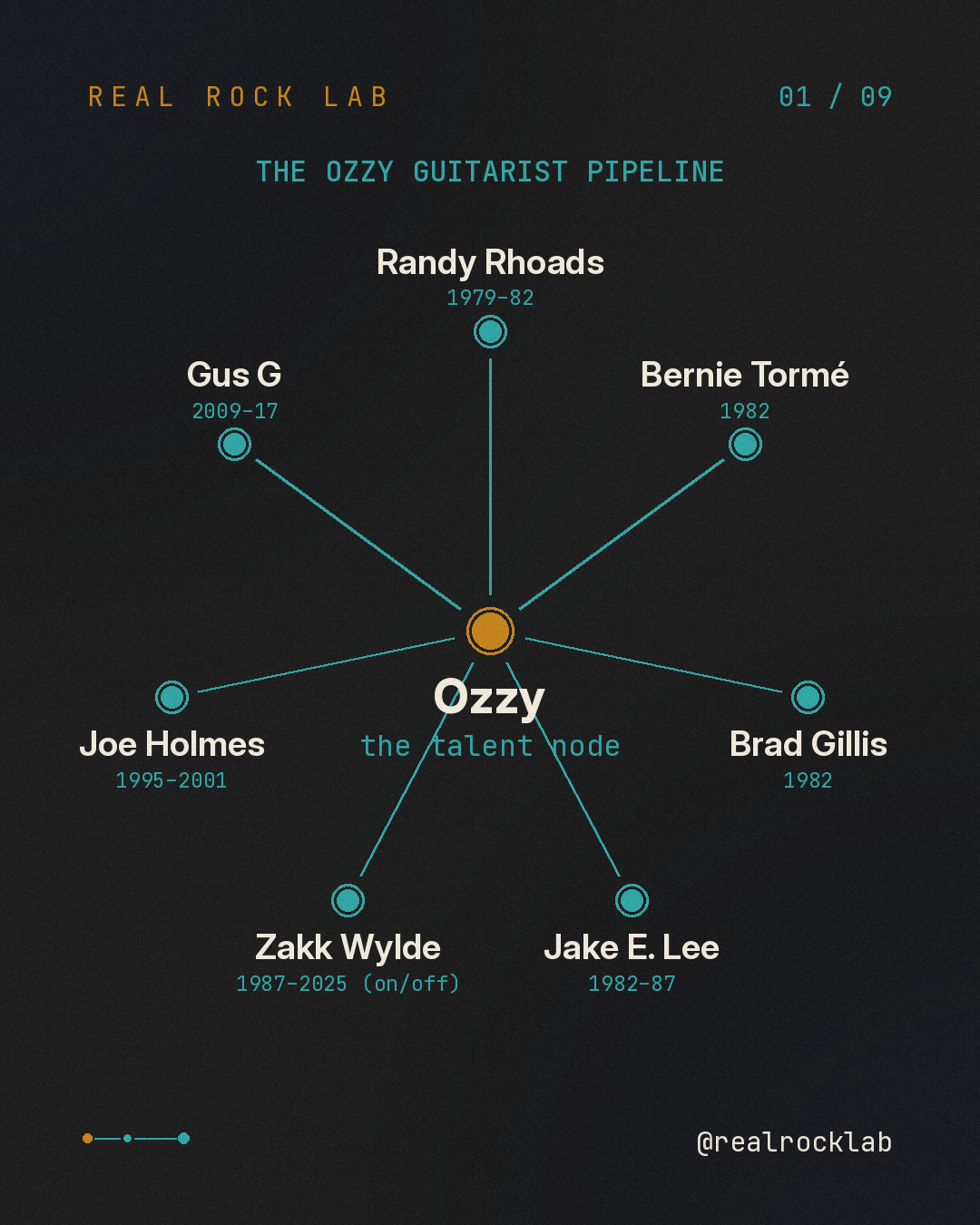
Part 2 of 4 in our series climbing to July 22. Ozzy Osbourne never scouted a guitarist in his life. He collided with them. Seven collisions, four decades, and a family tree half of rock still lives in.
The frontman who kept tripping over the future
Last week we traced how heavy metal itself started with an industrial accident in a Birmingham factory. With Ozzy Osbourne, the accidents never stopped. They just changed shape.
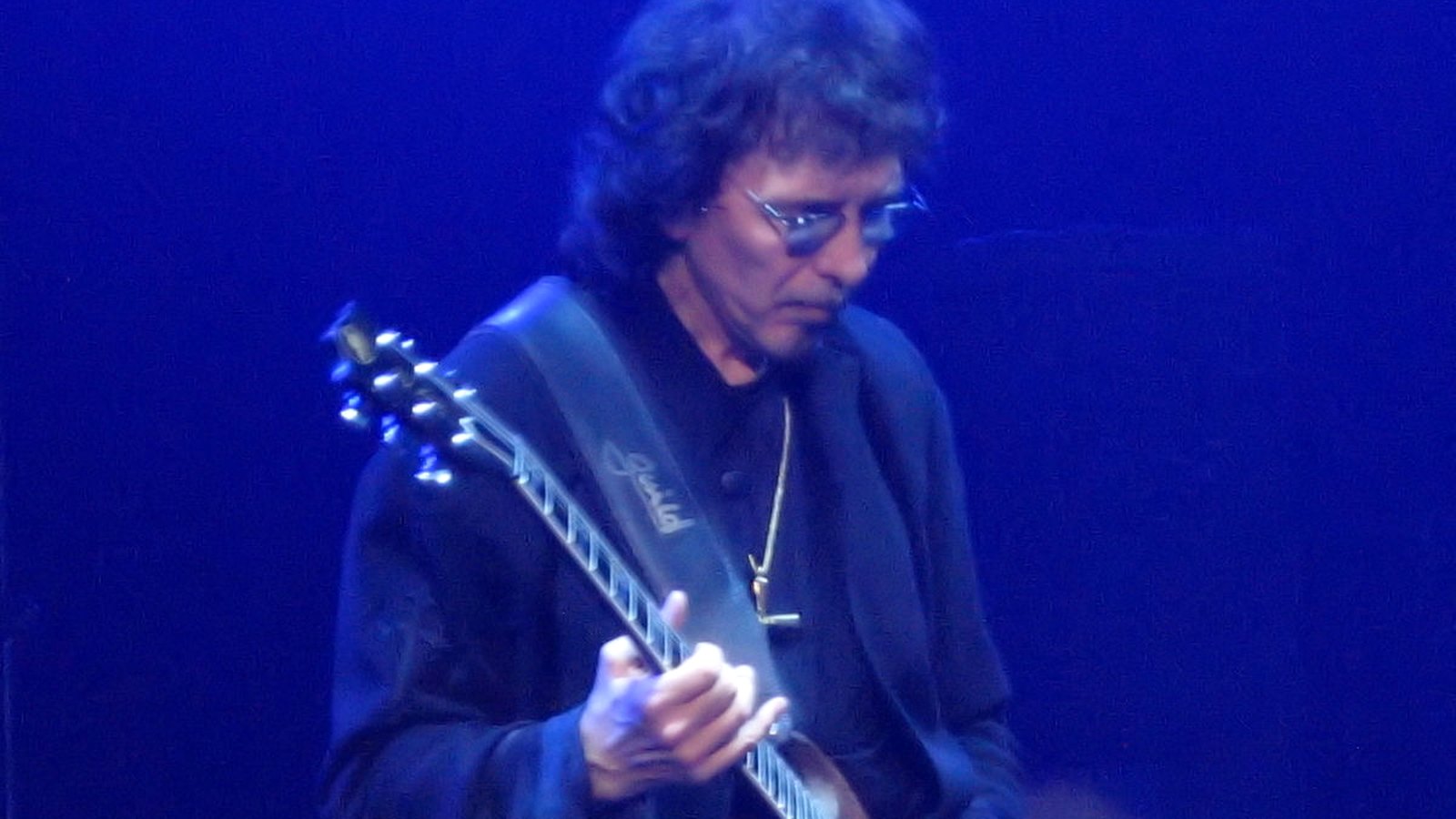
The Factory Accident That Invented Heavy Metal: Tony Iommi's Last Day at Work
Almost a year after Ozzy Osbourne’s death, we’re tracing, in four connected pieces climbing to July 22, how Black Sabbath happened at all. It starts at a sheet-metal press in Birmingham, on the last day Tony Iommi ever intended to work there.
One shift left
It sounds like a screenwriter invented it: Birmingham, 1965. Tony Iommi is 17, working in a sheet-metal factory, and he’s already quit. He has one shift left before he leaves to go be a professional guitarist. He’d lined up a gig with a working band and a run of shows in Germany. It was his mother who talked him into going in for that final day rather than skipping it: finish it proper.
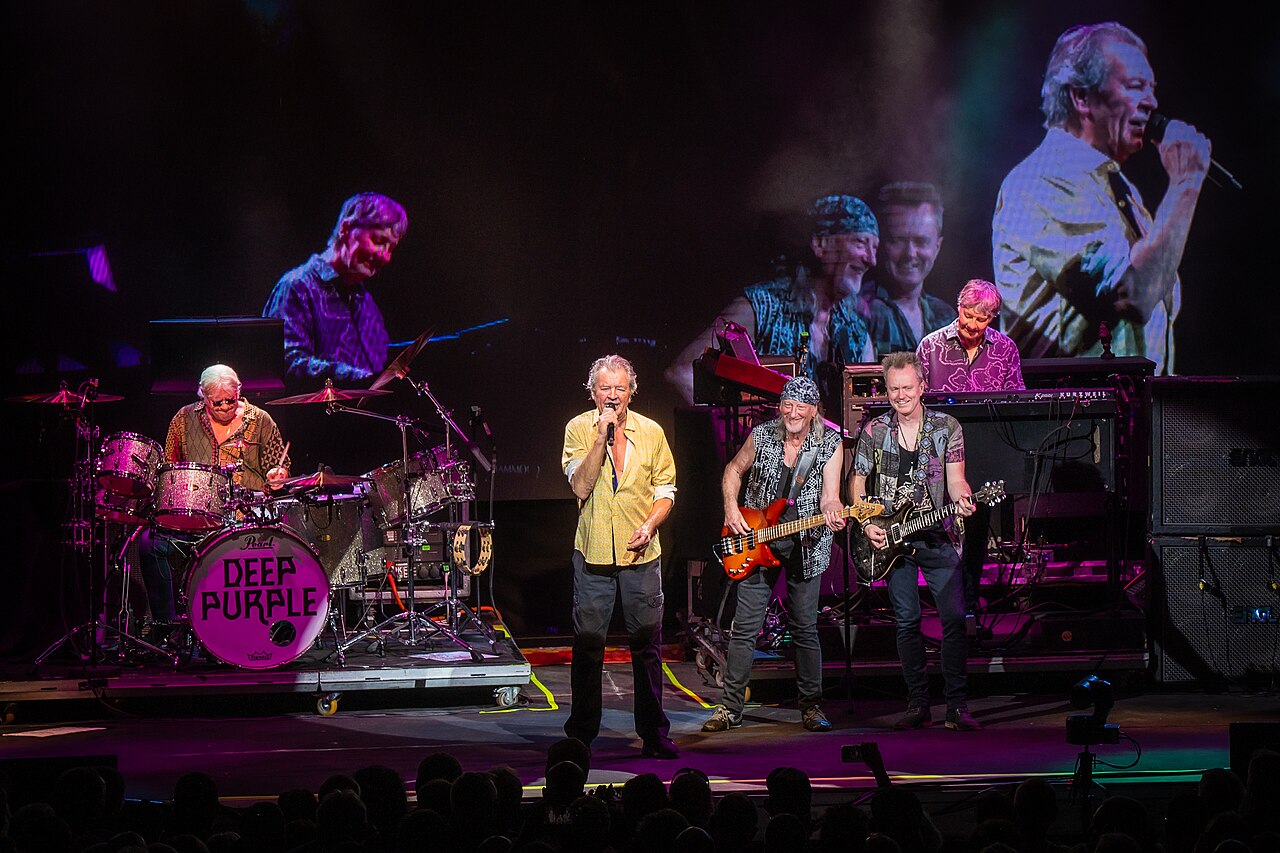
Deep Purple Named Their Farewell Tour Ten Years Ago. They Just Refused to Finish It.
Deep Purple have a new album out, Splat!, released July 3, and an 86-show run across 28 countries and three continents booked behind it. That’s not the schedule of a band winding down, which is funny, because Deep Purple officially started saying goodbye a decade ago.
Asked about the end, bassist Roger Glover didn’t blink. “We’re not gonna have a final tour, a final gig and make a hoopla about it,” he told Paul Cashmere in a video interview with Noise11 (2026).