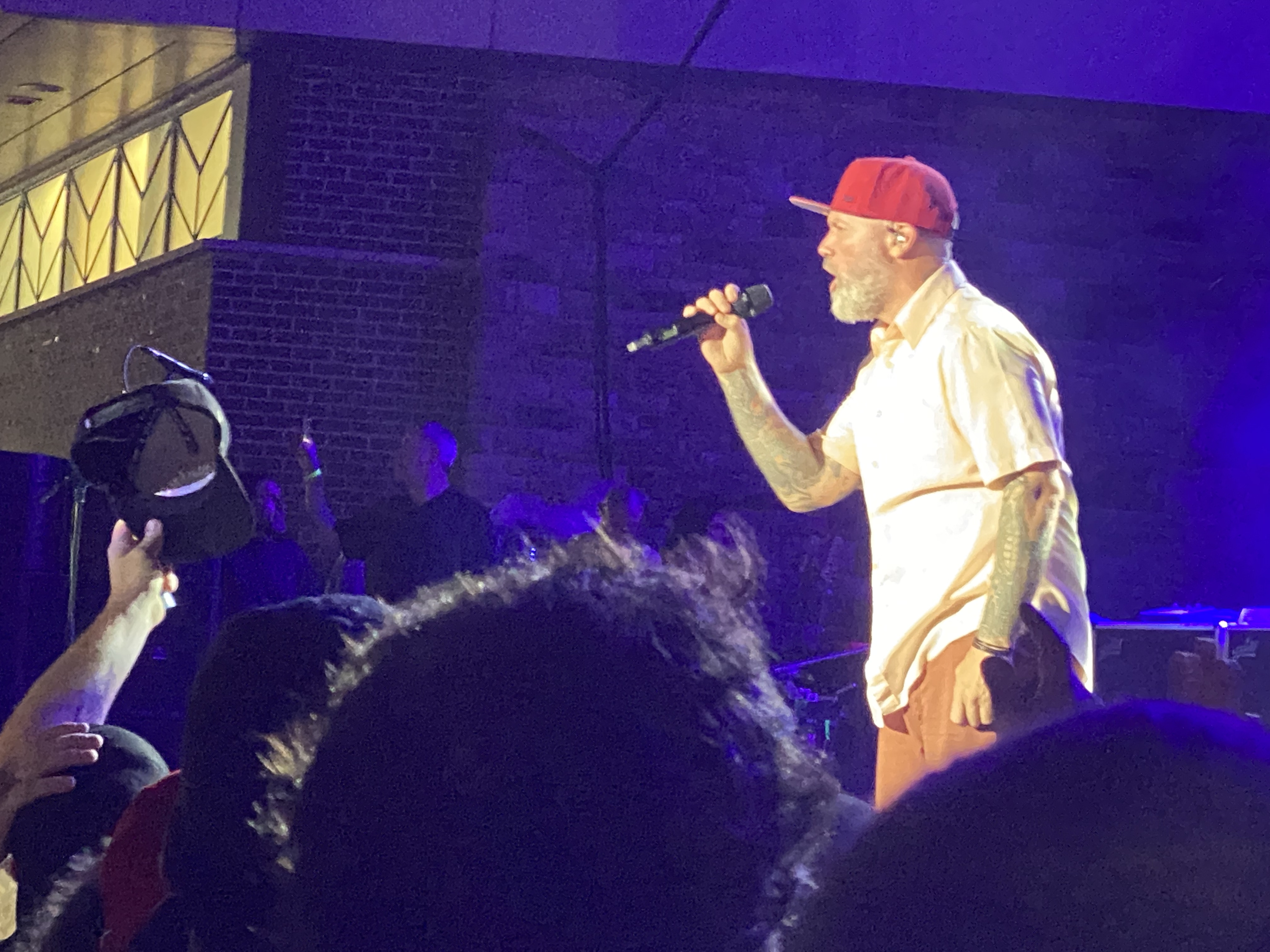
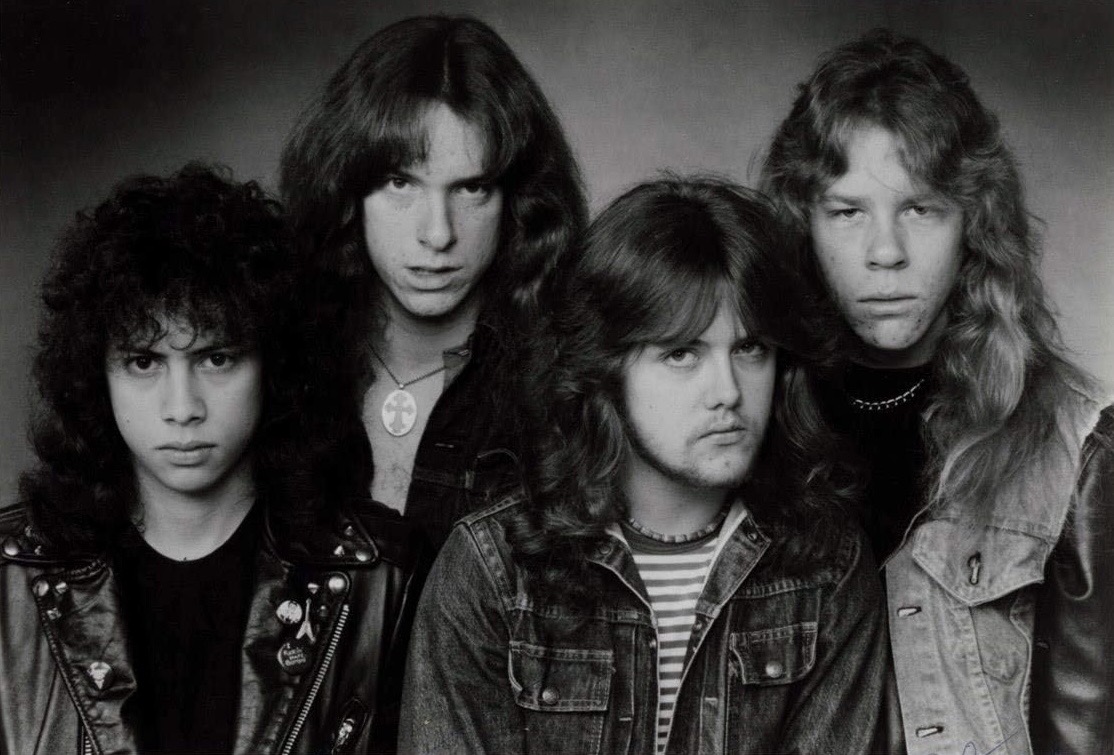
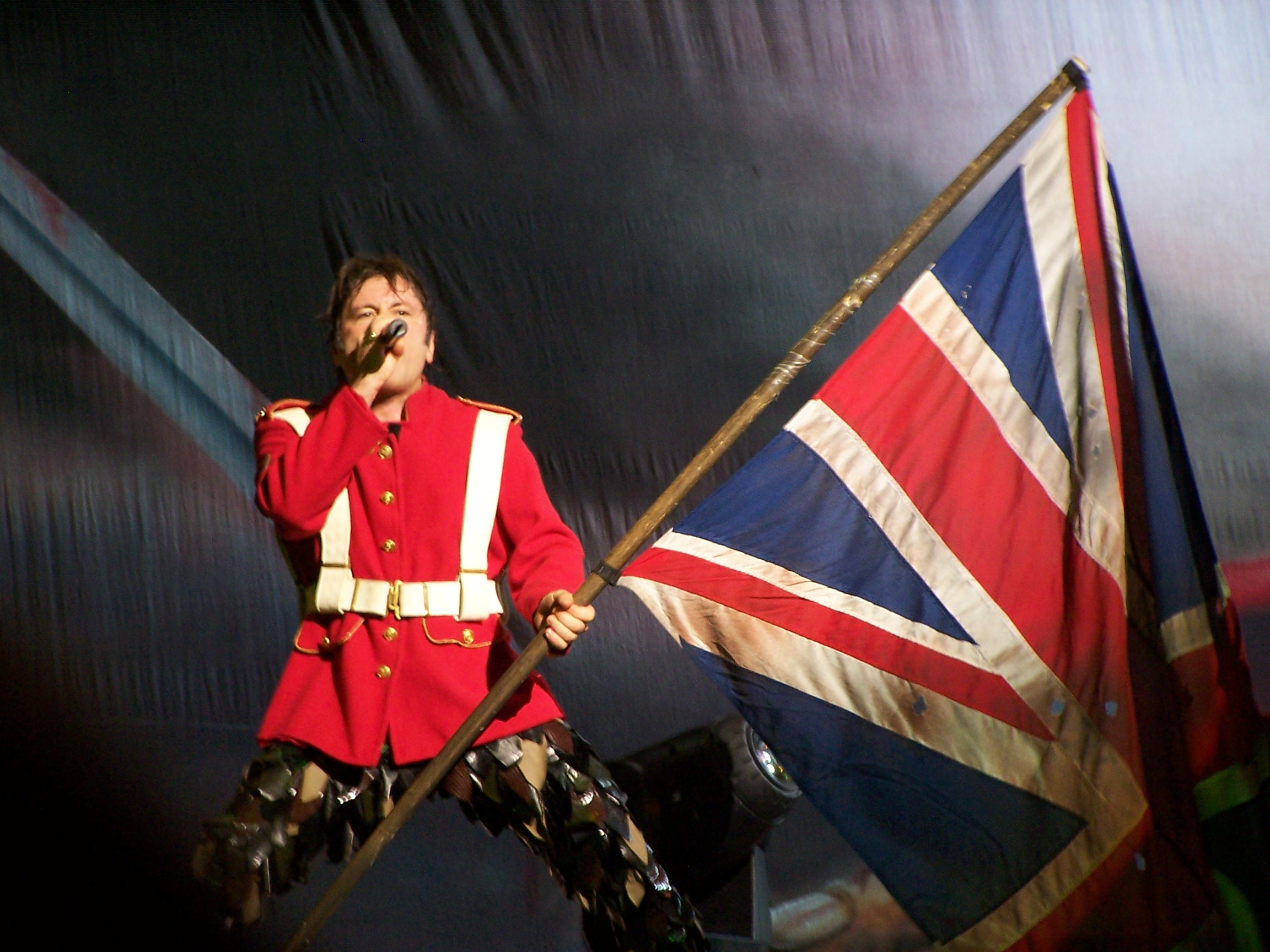
In 2003 a local morning host spent a week telling his listeners to bring things to throw at Fred Durst. They did. Metallica brought the band back as an M72 opener in 2025, and has now booked them for twelve stadiums in 2027.
On 16 September 2026, Metallica announced twelve North American stadium dates for spring 2027, with Limp Bizkit and Avatar opening. The run goes from Vancouver’s BC Place on 8 May to Rice-Eccles Stadium in Salt Lake City on 19 June, with the band playing in the round at the 50 yard line. Limp Bizkit already opened a handful of M72 stadium dates in 2025. The last full tour they shared, in 2003, ended with Durst pelted off a stage outside Chicago by a crowd a radio host had spent a week building.
On 27 September 1986 a bus went off the road near Dörarp, Sweden, and Metallica lost its bass player at 24. Four decades later the fan argument is still Jason Newsted versus Robert Trujillo, which has never been the actual question.
The night before
The band was on the European leg of the Damage, Inc. tour, out behind Master of Puppets, riding a bus between Stockholm and Copenhagen. On the night of 26 September, Cliff Burton and Kirk Hammett drew cards to decide who picked a bunk first. Burton pulled the ace of spades and took the one Hammett had been sleeping in.
Steve Harris learned the frontier from paperback westerns, then flipped the camera on the people those books rooted for. Forty-four years later the song is still the loudest history lesson in metal.
Four Englishmen and a pile of Louis L’Amour novels
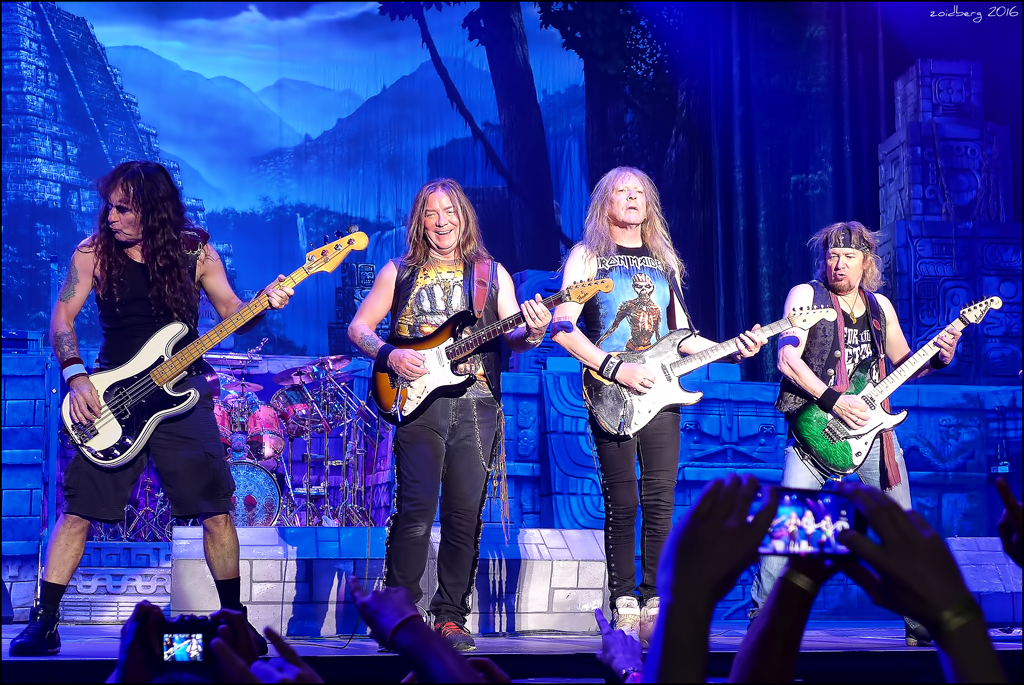
In early 1982, Iron Maiden had a new singer, a British tour already booked, and no album. What they did have was a bass player who read a lot of cowboy books.
Iron Maiden’s drummer says he’d record again, but only for “something more simple.” The two tracks he names are from Somewhere in Time*, released 29 September 1986, and both were written by the guy covering for a bandmate who had nothing left.*
The quote, and what everybody stopped reading after
In September 2026, Metal Hammer’s Matt Mills asked Nicko McBrain whether he’d ever record with Iron Maiden again. The answer ran in the magazine’s own site on 13 September, and the headline half of it travelled everywhere: “If Iron Maiden went into the studio, I’d be delighted to get back on with them. But it’d have to be something more simple really.”
Iron Maiden’s sixth album turned 40 on 29 September 2026. The singer’s name appears on none of its eight songs, and the reason has nothing to do with the reason his name was missing four years earlier.
The album with a hole where the singer should be
Open the sleeve of Somewhere in Time and count the writing credits. Steve Harris takes four: “Caught Somewhere in Time”, “Heaven Can Wait”, “The Loneliness of the Long Distance Runner” and “Alexander the Great”. Adrian Smith takes three, including the one everybody knows. Dave Murray and Harris share “Deja-Vu”. Bruce Dickinson takes none. That is the whole album: eight songs, and the man singing every word on it wrote none of them.
Every retrospective of 27 September 1986 tells the story from the swapped bunk. Aidan Mullen was sleeping directly above Cliff Burton, went through the same window, and told it on a podcast in August 2026.
The scene everyone knows, minus one person
The bunk story is the one part of that night every Metallica fan can recite. The band picked sleeping spots on the tour bus in Stockholm, Cliff Burton won the choice, took Kirk Hammett’s bunk, and Kirk went to sleep at the front. A few hours later the bus went over and Cliff was dead at 24.
Slipknot, System of a Down and Slayer released records on three consecutive Tuesdays in 2001, exactly seven days apart, and the third one reached stores on the morning of September 11. Under the dates runs one producer, one label, and the distance between #1 and #28.
The Tuesday rule
For most of the CD era, new records in the United States came out on a Tuesday. That is why the sequence below lines up without a gap or an overlap: one heavy record per street date for three weeks running.
Orbit Culture spend November and December 2026 opening arenas for In Flames, the band whose sound people keep hearing in theirs. Niklas Karlsson says the influence came from America. The records say otherwise, and the gap between the two is the subject of this piece.
Ten months, three tours
Orbit Culture released Death Above Life on October 3, 2025, their fifth album and their first on Century Media (Wikipedia). That record carried them into their first North American headline tour, February 18 to April 10, 2026, with Ov Sulfur and Atlas in support (Blabbermouth). Then in July, Trivium announced the Crown In The Grave tour: 32 North American dates from November 5 in St. Petersburg, Florida, to December 19 in Charlotte, North Carolina, with In Flames as special guest on every night (Blabbermouth).
On September 5, Sepultura played Rock in Rio for the ninth and final time, and every song came from the years since 1997. The band stops on November 7 in São Paulo. This is an inventory of what stays behind.
The calendar, corrected first
A lot of coverage called Rio the penultimate Sepultura show ever. It was the last show in Rio and the penultimate in Brazil. The band’s official site still lists six dates after it: Casablanca on September 19, Montevideo on October 2, Cipolletti on October 4, Buenos Aires on October 6, Santiago on October 8 and Mexico City on October 11. Then São Paulo on November 7, and that one is the end.
Brent Hinds was gone before a single note of this record was tracked. What Mastodon did next was fill the space with two new members instead of a replacement.
The aggregator headline writes itself: first Mastodon album without Brent Hinds. It is true, and it is the least interesting sentence you can write about Marrow Deep.
Here is the more useful way in. Mastodon went into the studio down a guitarist and came out a five-piece. Nick Johnston took the guitar chair, and keyboard player João Nogueira became an official member. Nine albums in, this is the first one made by five people. Something got added here.
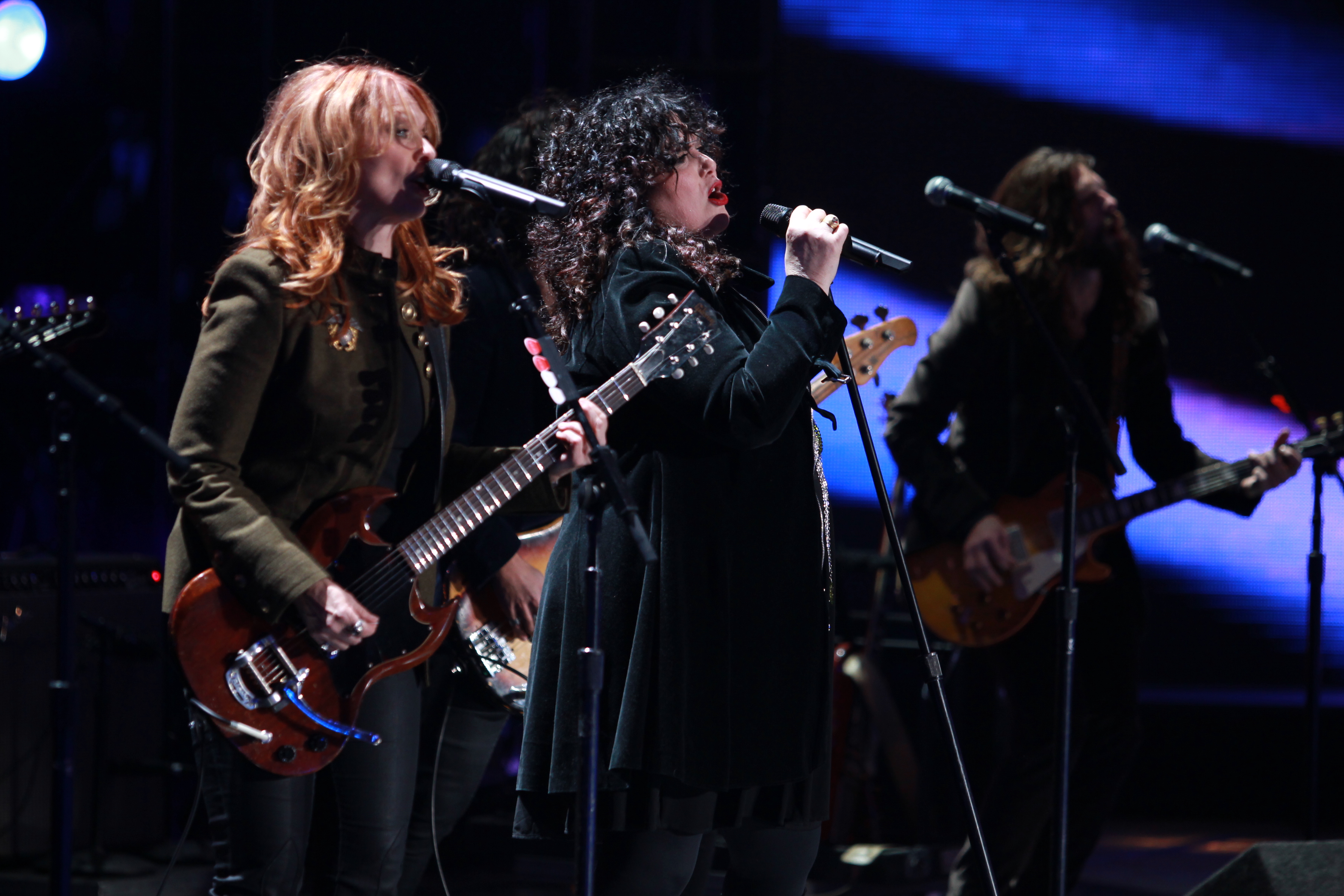
Kennedy Center Honors, Washington, 2 December 2012: Ann and Nancy Wilson sing the song they learned in Seattle bars, and the man behind the kit is wearing his dead father’s hat.
First, the correction
The premise that started this piece was “Heart’s drummer is the son of Led Zeppelin’s drummer.” That is wrong today. Heart is on the road in 2026 with Sean Lane on drums (The Rock Revival). The show people remember, the one that keeps getting passed around, is older. It happened at the Kennedy Center Honors on 2 December 2012, went out on CBS on 26 December, and it spawned a whole tour the following year. That night is what this piece is about.
Between 12 August and 24 September 1991, five albums arrived that rearranged what rock radio sounded like. The thread nobody pulls runs through the people at the mixing desk, and it starts on a thrash record from 1986.
The six weeks, in order
Start with the calendar, because the calendar is the part people misremember.
Metallica released the self-titled album everyone calls the Black Album on 12 August 1991. Pearl Jam released Ten on 27 August. Guns N’ Roses put out Use Your Illusion I and II on the same day, 17 September. And on 24 September, a Tuesday, Nirvana’s Nevermind and Red Hot Chili Peppers’ Blood Sugar Sex Magik both landed (1991 in music).
Nirvana wanted the engineer behind Reign in Blood, South of Heaven and Seasons in the Abyss*. He gave them the biggest-sounding record of 1991, and by 1993 the band’s singer was telling interviewers he was embarrassed by it.*
Nevermind came out on 24 September 1991 on DGC. That makes September 24 the 35th anniversary, and the anniversary pieces will do what anniversary pieces do: the cover, the baby, the pool, the year everything changed. Fine. I want to talk about a name in the credits that almost nobody reads out loud.
Judas Priest played Hammersmith on Monday without their founding bass player. Ian Hill has been in the band since 1970, and he is also the reason Rob Halford is in it.
On Monday 21 September 2026, Judas Priest played the Eventim Apollo in Hammersmith, London, without Ian Hill. The band posted that “Ian has a badly damaged tendon in his left arm,” named Davey Rimmer of Uriah Heep as his stand-in, and said the show would go on (Blabbermouth).
Slipknot released “Arsenal” on 9 September 2026, its first new song in more than three years. The man behind the kit spent thirteen years in the seat Igor Cavalera made famous, and he left it days before Sepultura’s last rehearsal.
This is about the chair
Most of what got written about Eloy Casagrande in 2024 was about the exit. Fair enough. Walking out on a farewell tour is a story. But the exit is the least interesting thing about him, and it is over. What is still running is a line that starts in Belo Horizonte in the mid eighties, passes through São Paulo, and now sits in Iowa’s most famous band at the exact moment that band is rebuilding itself.
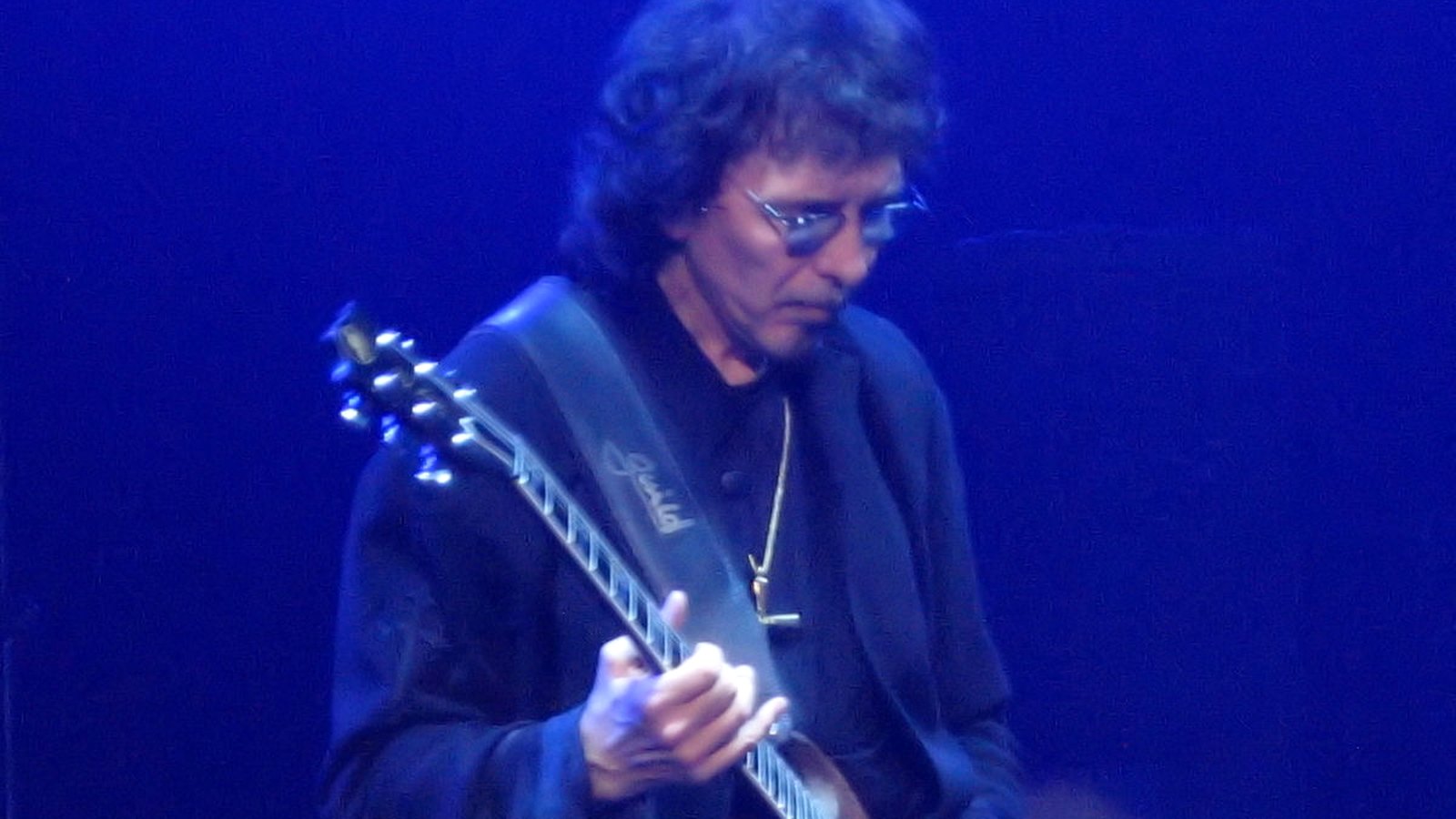
The producer who ran Ozzy Osbourne’s last two solo records asked for one more Black Sabbath album with the original four. Tony Iommi said no, and in a new Classic Rock interview he explained why.
Frank Ferrer left in March 2025 after nineteen years behind Guns N’ Roses. Line up everyone who held that stool before him and you get a clearer account of what this band has been than any interview Axl Rose has ever given.
The first one left before there was anything to leave
In March 1985, a drummer named Rob Gardner joined a new Los Angeles band. He played a handful of shows, cut an unreleased demo, and quit in May. He was gone before Appetite for Destruction existed, before the songs on it existed, before there was a reason to stay. The guy who replaced him was a childhood friend of the guitarist.
Mastodon’s grief album has none of the man it grieves. One of the last solos Brent Hinds ever cut sat uncredited on a blues record for six months. The two stories belong together.
Two records, one absence
Mastodon put out Marrow Deep on 28 August 2026. Twelve tracks, 65 minutes, released through Loma Vista, and the first Mastodon album since Remission without Brent Hinds on it. Hinds left the band in March 2025, in a split first described as mutual and later disputed by Hinds himself, who said he had been kicked out for “embarrassing them” (Wikipedia). He died on 20 August 2025 in a motorcycle crash in Atlanta. He was 51.
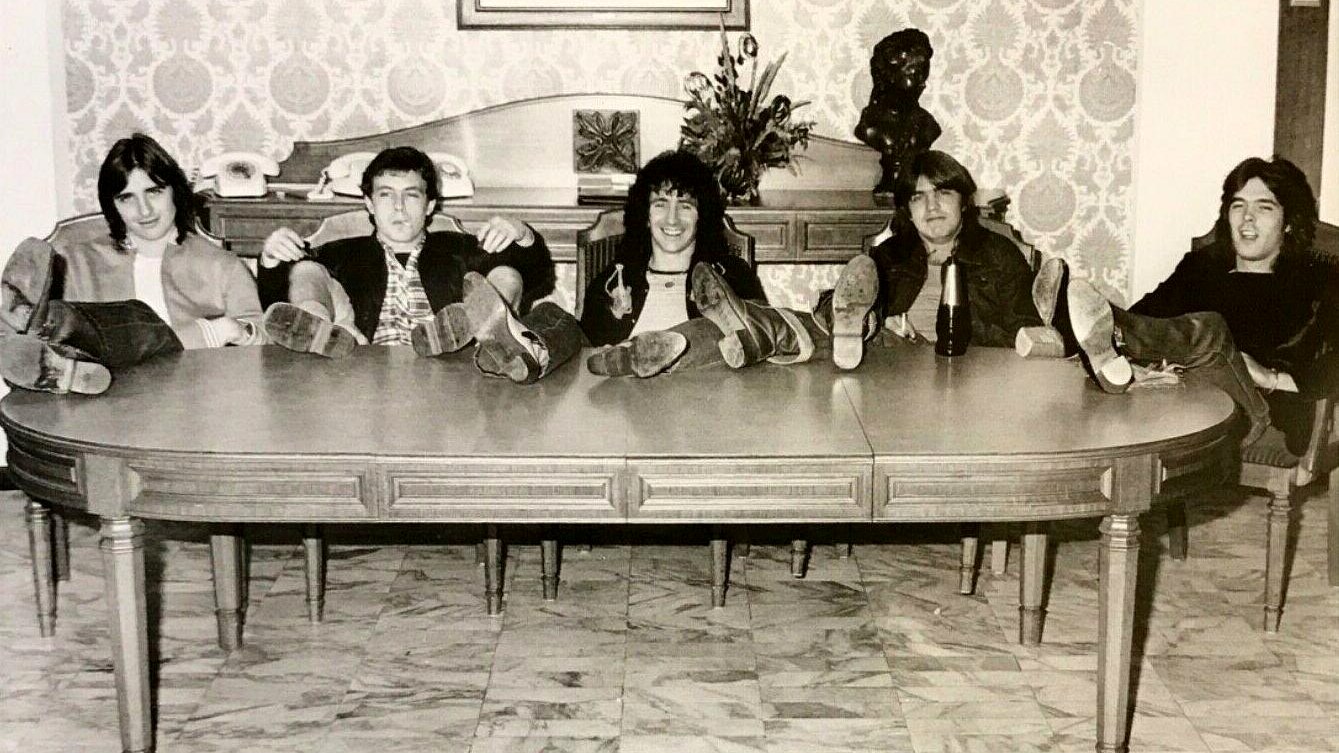
Out in Australia on 20 September 1976, turned down by Atlantic’s American office, and finally in US shops in March 1981, thirteen months after Bon Scott died. It went to number 3.
The record that took five years to cross the Pacific
Fifty years ago this weekend, AC/DC put out their third Australian album on Albert Productions. Dirty Deeds Done Dirt Cheap was produced by Harry Vanda and George Young, the older brother of Malcolm and Angus, and it was made in a hurry. Malcolm Young later told the story plainly: “We didn’t have much time to do that album… All we did was go straight into the studio,” fresh off the High Voltage tour (Parade, via Yahoo).
Four clocks struck in the same ten days of September 2026. Put them side by side and the story of Bay Area thrash turns out to be one family, still arguing at the same table.
The week the calendar lined up
Start with the dates, because nobody planned them and they still fit.
On September 8, Dave Mustaine published In My Darkest Hour: A Memoir, written with Joe Layden and centred on his 2019 throat cancer diagnosis and the making of The Sick, The Dying… and the Dead! (megadeth.com, Rolling Stone).
Every branch of heavy music sent a band to Villa Park on 5 July 2025 to play in front of the man who sang the first record. The map holds up when you check it. The money story did not.
Friday the 13th, 1970
Black Sabbath put out their first album in the UK on 13 February 1970, a Friday, on Vertigo. Tony Iommi has said the whole thing was recorded in a single twelve-hour session on 16 October 1969 (Rolling Stone). The first thing you hear on it is rain. Then a church bell, then thunder. Then Iommi’s riff, slow and loud, with so much air between the hits that you can hear the room. Ozzy Osbourne comes in over it sounding like a man who has just seen something he was not supposed to see.
On September 17, 1991, Guns N’ Roses released two albums at midnight and sold about 1.45 million copies in a week. On September 17, 1996, Tool released one album with a painting on the cover and a comedian at the center of the title track. It is the same date on the calendar, and the gap between them is the story of 1990s rock.
Midnight, September 17, 1991
Guns N’ Roses released two albums that Tuesday. Use Your Illusion I and Use Your Illusion II went on sale at midnight, on Geffen, and record shops stayed open to sell them. Thirty songs across the pair. Illusion I alone runs 16 tracks and 76 minutes and 9 seconds, which is roughly as much music as a CD could physically hold at the time.
Two 1970s songs returned to the Judas Priest set this summer after seven years away. The word on both sides of the story is “Ripper”, and it points in opposite directions.
Mönchengladbach, 25 July 2026
Judas Priest opened the Faithkeepers tour on 25 July 2026 at SparkassenPark in Mönchengladbach, Germany. First show of the year, 17 songs, and most of it is the 1980s catalogue you would expect: British Steel, Screaming for Vengeance, Defenders of the Faith, Turbo. “You’ve Got Another Thing Comin’” opened. “Living After Midnight” closed. Nobody bought a ticket to be surprised by that.
Cheetah Chrome died on September 13 at 71. The obituary is short. The better story is a basement room on the Bowery, and the favor from a friend that got a band from Cleveland onto its stage fifty years ago this fall.
What the band said, and what they did not
The news came from the Dead Boys’ own Instagram account on Sunday, September 13. Cheetah Chrome, born Eugene Richard O’Connor, guitarist and co-founder of the band, was dead at 71. No cause was given, and I am not going to guess at one. The statement called him “a true original, an architect of the punk rock movement,” as Consequence reported.
Thirty-five years ago this week, the biggest band on the Geffen roster put out two albums on the same Tuesday. Seven days later, the same label shipped 46,251 copies of a record from Aberdeen, Washington.
Tuesday, September 17, 1991: two records, one day
Guns N’ Roses did something on September 17, 1991 that nobody had really tried at that scale. They released Use Your Illusion I and Use Your Illusion II on the same day, on Geffen Records, as two separate full-price albums. Thirty songs across the pair. A nine-minute “November Rain”, a nine-minute “Coma”, an Alice Cooper cameo, a Bob Dylan cover, a Paul McCartney cover, a Charles Manson credit, and a piano ballad written from the point of view of a man mourning his own wedding. Excess was the plan, and the plan worked.
On 10 July, Iron Maiden’s founder stood sidestage watching Blaze Bayley sing songs the two of them wrote together — songs the band’s 50-year setlist has no slot for. He booked the show himself.
Here’s the version of this story that went around in July: Steve Harris turned up to watch his old singer. Nice gesture. Classy guy. Moving on.
That’s not the story. The story is what Harris put on that stage, and what it says about the band’s own 50-year accounting of itself.
Dee Snider says a band with nobody from the classic lineup should stay off the road. The week he said it, his own band went out with Sebastian Bach, and Journey put a Steve Perry lookalike on stage in Japan. The line is real, just not where the rulebook says.
The rule, in Snider’s words
Early in September, Dee Snider posted a set of videos on Facebook about bands that tour with no one from the lineup that made the records. Blabbermouth ran the quotes on September 5. His answer to “should they tour?” was a hard no: “I think it’s completely fucked up, it’s deceptive, it’s misrepresentative.” He went further: “stay the fuck off the road and keep that band’s name outta your mouth.” His condition for a legitimate show is short. “Original people from the classic lineup have to be in there.”
Soundgarden are mixing a record built on vocals Chris Cornell recorded before May 2017, and the producer in the room made Louder Than Love and Badmotorfinger*. The interesting part is who is doing the building, and around what.*
The record that was already being made
Soundgarden were in the middle of an album in 2017. That fact changes how the rest of this release reads. According to Matt Cameron, the eight songs now being finished were already in progress before Chris Cornell died in May of that year (Metal Addicts). These are the songs the band was working on when it stopped. The singer’s parts were already on tape.
“Kerosene” put a Monterrey trio at No. 1 on Mainstream Rock Airplay — the first Mexican band and the first all-women band to do it in the chart’s 45 years. The interesting part isn’t the milestone. It’s what a shared childhood actually does to a rhythm section, and why the answer isn’t what anyone assumes.
The album, quickly, because it’s the excuse and not the story
The Warning released Everything’s Falling on 28 August 2026 — album five, twelve tracks, 39:04, out on Lava/Republic and produced by Anton DeLost. Three singles led it out: “Kerosene” in March, “Ego” in May, “Ritual” in June. It landed on ten Billboard charts, including No. 2 Top Rock Albums and No. 4 Top Hard Rock Albums.
Geddy Lee gets asked the same question every night: is Neil “with” them? His answer involves a bird. The band’s actual answer is an empty spot in the setlist. It’s the rarest solution rock has ever found to an impossible problem.
The bird in the doorway
A Toronto radio DJ, Joanne Wilder of Q107, asked Geddy Lee the question everyone wants to ask and nobody quite knows how to phrase: do you feel like Neil is with you? Have you seen any signs?
Dave Lombardo founded the sound. Paul Bostaph learned it note for note, played the last show, and is the one sitting there now. The chair outlasted the legend.
Pull up “Angel of Death” and listen to the kick drum.
That pattern is the entrance exam. In 1992, when Paul Bostaph auditioned for Slayer, he played nine songs and made exactly one mistake, and it happened in “Angel of Death” (Wikipedia). Thirty-four years later people still bring it up, because it is the job description.
Between June 1970 and March 1971, Queen went through three bass players. Barry Mitchell lasted the longest — around thirteen gigs — and left because he didn’t think the band was going anywhere. He died on 17 August 2026, and the strange part is that he was right.
The lineup that looks inevitable wasn’t
Pull up the back cover of any Queen compilation and you get four faces that seem welded together: Freddie Mercury, Brian May, Roger Taylor, John Deacon. Twenty years, no substitutions, no drama in the rhythm section. It reads like a band that was assembled correctly on the first try.
The Greatest 30 Years On Earth arrives on 11 December 2026 with fifteen live songs spanning three vocal eras — and one voice singing all of them. The tracklist is the argument.
The count nobody is going to do
Two live discs, recorded in Amsterdam in 2022 and in Kitee, Finland, on 16 June 2023. Fifteen songs, not counting the intro. Sort them by which singer they were written for:
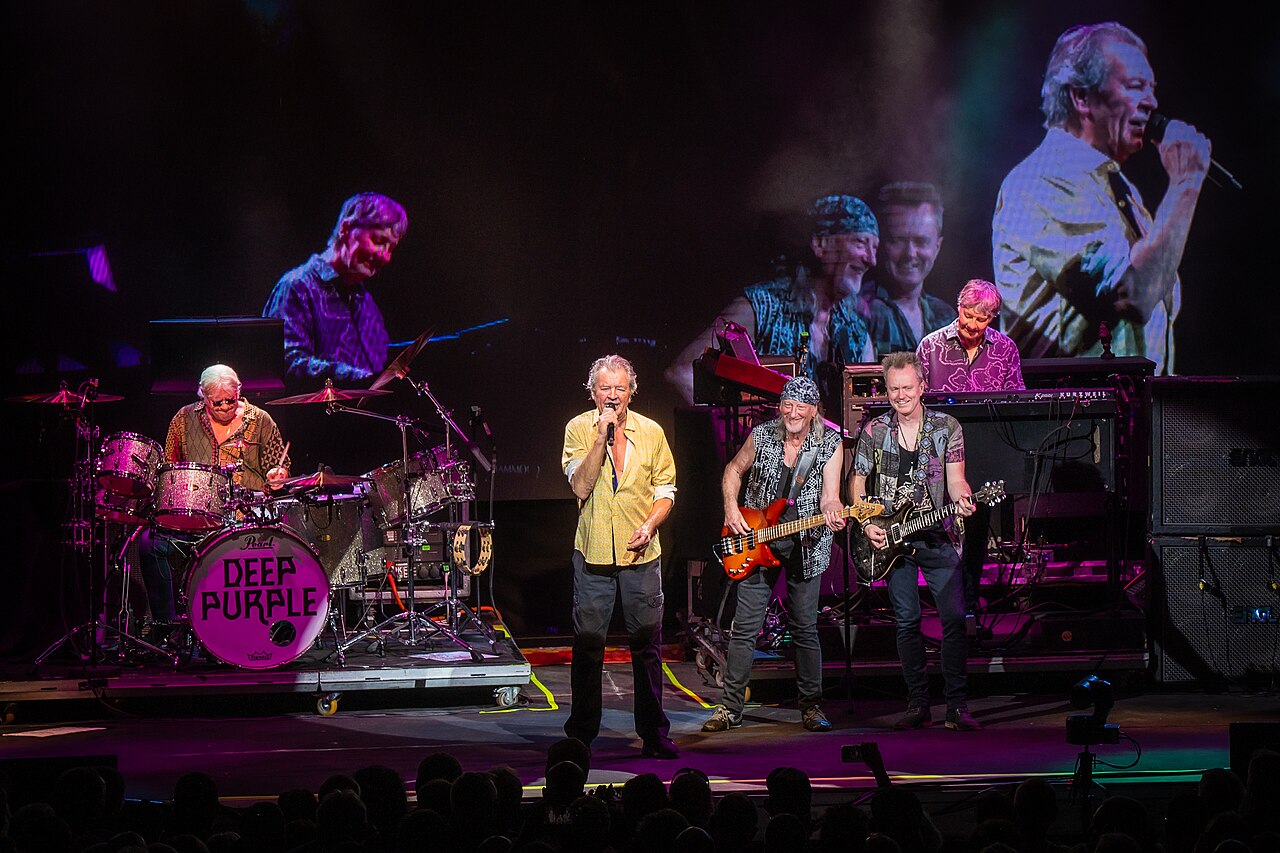
Ian Gillan says “outside influences” broke Mark II. Ritchie Blackmore says two alpha males who couldn’t share a room. Neither version explains the stranger part: what the wreckage built.
Five guys in a van in 1968. By 1980, if you had a rock station on, you were hearing Rainbow, Whitesnake, Black Sabbath and Deep Purple in the same hour — and the people in those four bands had mostly stopped speaking to each other. One argument, four discographies.
Roger Taylor says a return to the stage is “more down to Brian.” Fifteen years in, the thing that keeps Adam Lambert safe is the record Queen never finished.
Asked in June 2026 whether Queen would play live again, Roger Taylor did not say the band was tired. He said something stranger, and more useful:
“Well, it is a big machine to gear up, if you know what I mean.”
Four stadium dates in Australia and New Zealand put Faith No More on before System of a Down. Read the bill as a timeline and it runs backwards: 1990, 1992, 2000, 2021, 2027.
The announcement, and why the order matters
On 27 July 2026, System of a Down and Faith No More announced four stadium shows for early 2027: Accor Stadium in Sydney on 22 January, Marvel Stadium in Melbourne on 27 January, Suncorp Stadium in Brisbane on 1 February and Hnry Stadium in Wellington on 7 February. Faith No More is the support act. General sale opened on 31 July. It is System of a Down’s first trip to the region in more than a decade, and Faith No More has not played there since Soundwave in 2015. (Pollstar, TEG Live, Louder)
Ænima turns 30 on September 17. The band remastered it, the drummer heard it on vinyl, Maynard’s wife keeps a test pressing at home. You cannot buy it. If that feels familiar, you have been a Tool fan for a while.
The record came out on vinyl first
The birthday everyone is counting toward is a vinyl birthday. Tool released Ænima as a double LP on September 17, 1996, and the CD followed two weeks later, on October 1 (Discogs; theprp, 26 Nov 2025).
Twenty-five years ago this week, Slayer put out the record with the nails through the Bible, on the one Tuesday in 2001 nobody remembers for a record. Fourteen years later they put out another one on the same date.
The street date was a Tuesday. That is all it was supposed to be.
Slayer released God Hates Us All on September 11, 2001. In the US that was a normal Tuesday street date, the day new records went on the shelf. The album had already been pushed back once because of the cover, as Loudwire’s anniversary piece notes, so the date was not chosen for anything. It was where the schedule landed after the delay.
System of a Down’s 2001 single peaked at #76, got pulled from radio after 9/11 and never sold ten million of anything. On August 28 it became the fifth heavy song ever to hit RIAA Diamond. The other four got there since February 2024. That timing is the whole story.
What Diamond actually counts
Diamond is the RIAA’s ten million mark. For most of its life that meant ten million copies sold, which is why the club was built out of Whitney Houston and Elton John and almost nothing with a distorted guitar in it. Then the RIAA folded downloads and streams into the count, and “ten million units” stopped describing a purchase and started describing a habit. A song can get there now without a physical copy changing hands in years.
On August 28 the RIAA certified System of a Down’s “Chop Suey!” Diamond, a week before Toxicity turned 25. The heavy songs at that level fit on one hand, and what they have in common has very little to do with 2001.
A Friday in August, one week before the birthday
On Friday, August 28, 2026, the RIAA certified “Chop Suey!” as a Diamond single: 10 million units in the United States, counting sales, downloads and streams together. It is the first Diamond single in System of a Down’s catalog. The same batch of certifications moved Toxicity up to 7× Platinum, and everything landed a few days before the album turned 25 on September 4. WMMR and Metal Injection carried the news on September 1.
On 30 August 2026, Billie Joe Armstrong, Tim Armstrong, Travis Barker, CJ Ramone and Billy Idol played Ramones songs in a Los Angeles cemetery. Read the lineup as a diagram and you get fifty years of punk on one stage.
The set list was fine. The lineup was the story.
Every outlet covered the show. Rolling Stone counted 19 songs. Blabbermouth ran the video. Billboard gave the band its name: Cretin Family, a one-night-only group made of Tim Armstrong of Rancid, Billie Joe Armstrong of Green Day, Travis Barker of Blink-182 and CJ Ramone, playing together for the first time.
The Power Up tour’s US leg opened in Charlotte with 21 songs: 11 from the Bon Scott years, 10 from Brian Johnson’s. That split is seven months old, and it took exactly one substitution to produce it.
Setlists are the only document a band publishes without meaning to. Nobody issues a press release saying “we’ve decided our dead singer’s material is what people actually want.” They just print the running order and hand it to the lighting crew.
The insult went around the world in a weekend. The part nobody dwelt on is where it was printed: Roadie Crew, in Portuguese, by the man who translated Alex’s own book.
The quote, and where it came from
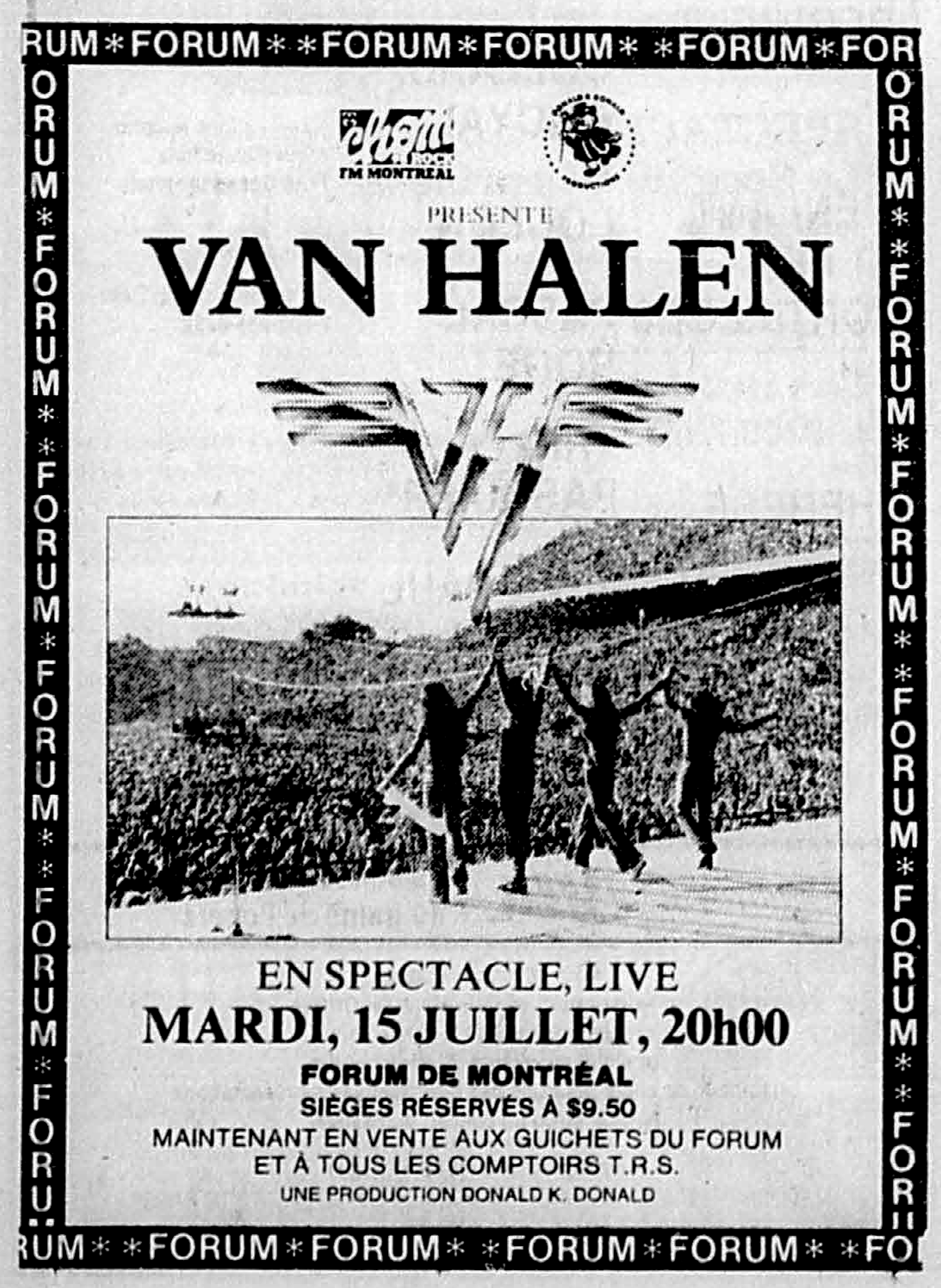
On September 3, 2026, the Brazilian magazine Roadie Crew published an interview with Alex Van Halen in issue #293. The interviewer was Marcelo Vieira, and Vieira had a specific claim on Alex’s attention: he is the journalist who translated Brothers, Alex’s 2024 memoir, into Portuguese for the Brazilian edition, published as Irmãos by Belas Letras.
On the Palco Mundo, one of the last shows of their career, Sepultura played 55 minutes and never touched “Roots Bloody Roots”. That was the point.
What actually happened on Saturday
Saturday, 5 September 2026, Parque Olímpico, Rio de Janeiro. Sepultura walked onto the Palco Mundo at 16:40 as part of the “Celebrating Life Through Death” farewell run and walked off at 17:35. Fourteen songs logged, plus one entry that setlist.fm left incomplete, so call it fourteen and change.
On September 5 Sepultura open the Palco Mundo at Rock in Rio with no “Roots Bloody Roots,” no “Arise,” no “Ratamahatta.” Nothing from the founding era. Look at what the band recorded and the omission stops looking like a snub.
What was announced, two days before the show
On September 3, 2026, Sepultura let it out: the Rock in Rio set would be drawn exclusively from material recorded with Derrick Green, from Against (1998) through The Cloud of Unknowing, the four-track EP released on April 24, 2026. The three songs everyone in that field knows by heart, the ones from the Max Cavalera years, are not on the list (Rolling Stone Brasil). The band opens the day on the main stage (Wikimetal).
In September 1963, John Lennon and Paul McCartney finished a song in the corner of a Soho basement while the Rolling Stones watched. The Stones got their first UK top 20, and the idea that they should be writing their own songs.
Two Rolling Stones spent 2026 saying nice things about The Beatles in public, which the music press of 1964 would have found unprintable.
Keith Richards, talking to Zane Lowe on Apple Music around the release of Foreign Tongues, said Paul McCartney “really misses being in a band. And his joy of just being in that context is great.” He added: “He’s a lovely player and I’d like to do more with him.” The clip resurfaced and travelled again at the end of August 2026, with a longer chunk attached in which Richards leaves the door open: if there are more songs to do, he’ll let Paul know.
Last time we ended on a question: who designs Rammstein’s stage now that Gert Hof is gone? We found the answer, and on the way there found the line that explains what he was doing in that lighting booth in the first place.
Our piece on Rammstein’s East German grammar closed with a loose end: Gert Hof died in 2012, the stadium shows since are still unmistakably built on his logic, and we didn’t know who picked up the pencil. That bothered us enough to go back into the sources. Two things came out. One is a straight answer with five names on it. The other reframes the whole argument, because Hof’s day job wasn’t lighting bands.
In 1976, one album away from being dropped, Rush handed their label the least commercial thing they’d ever made, and side one of 2112 bought them the next four decades of doing whatever they wanted.
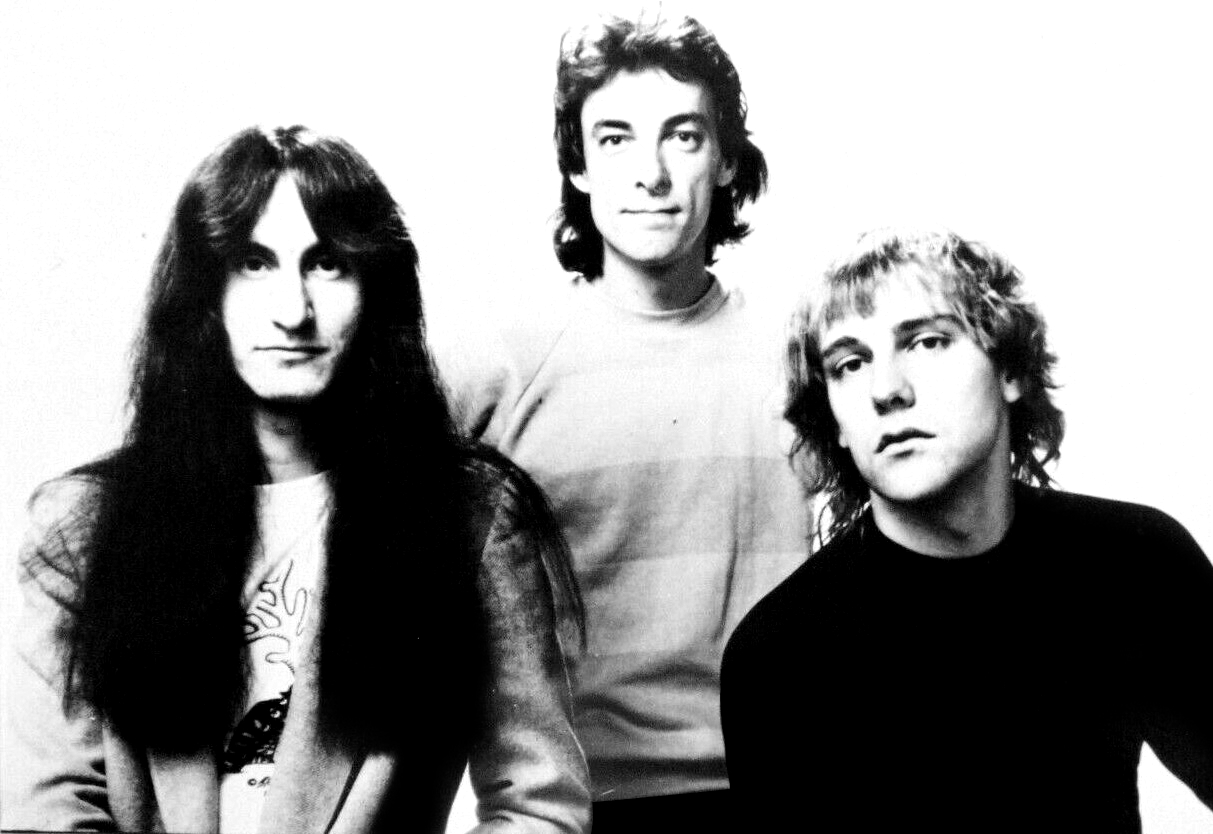
It’s late 1975, and Rush are playing smaller rooms than they were a year earlier. Their third album, Caress of Steel, has stiffed: two side-long suites, hostile reviews, shrinking crowds. The band’s own name for the supporting run tells you everything: the “Down the Tubes Tour.” Geddy Lee later told MOJO they joked about Neil Peart going back to selling farm equipment, and him and Alex Lifeson going back to painting movie theatres.
Fifty years ago, on October 29, 1976, America’s scariest band made its prime-time debut, summoned on camera by the same witch who’d been pulled off children’s TV eight months earlier for terrifying kids. The whole story fits inside one calendar year.
Where America was in October 1976
KISS is coming off the explosion of Destroyer, and “Beth”, the ballad sung by drummer Peter Criss, of all people, has just become the band’s first Top 10 hit. Four guys in demon makeup, breathing fire and spitting blood on stage, suddenly have a piano ballad on pop radio. Middle America is confused and slightly alarmed.
In 1989, Steven Tyler spent nine months writing a pop-metal hit about a girl who shoots her abusive father. Thirty-seven years later, that song is funding houses for girls like her.
Start with the bass
Pull up “Janie’s Got a Gun” and just sit with the intro for a second. That queasy, circling bass figure under Steven Tyler’s wordless vocal: before a single lyric lands, the song already sounds like something is wrong in this house. Most of Pump swaggers. This track creeps.
Everyone assumes the lineage runs KISS → Rammstein. It half does. The other half runs through a Leipzig theater, a Brecht research center, and a lighting director who did prison time in the GDR as a teenager.
At the end of our Till Lindemann piece we left a question hanging: how much of Rammstein’s staging is metal inheritance, and how much comes from somewhere metal fans don’t usually look? We went looking. The answer has a name, a birthplace, and a criminal record issued by the East German state.
A stubborn fan myth says “Master of Puppets” was inspired by Ghost in the Shell. The timeline kills that in one move, and the real rock connections buried in this franchise are better than the myth ever was.
The claim, as it circulates, is that Metallica wrote “Master of Puppets” about the Puppet Master, the body-hopping villain of Ghost in the Shell. Puppets, puppet master, control, loss of self: the vocabulary lines up so neatly you can see why people want it to be true.
A song about a father who never passes anything on has been passed on flawlessly for fifty years: folk to country to metal to hip-hop to sitcom shorthand. The lyric describes a broken relay. The song is a working one.
The words weren’t his
Start with the credit line, because everything else hangs off it.
The lyric to “Cat’s in the Cradle” began as a poem by Sandy Chapin, Harry Chapin’s wife. Two things set it off, and she laid both out in the Chapin family’s own newsletter, Circle (Behind the Song). The first was another family’s silence: her first husband, James Cashmore, and his father John Cashmore, Brooklyn Borough President for 21 years (Wikipedia), barely spoke. Sandy: “During dinner, my father-in-law would speak to his son through me… I just thought it was the most incredible thing I’d ever seen.” The second was a country song she heard on the radio about how fast childhood goes: “That song put me in the mood for writing a lyric.”
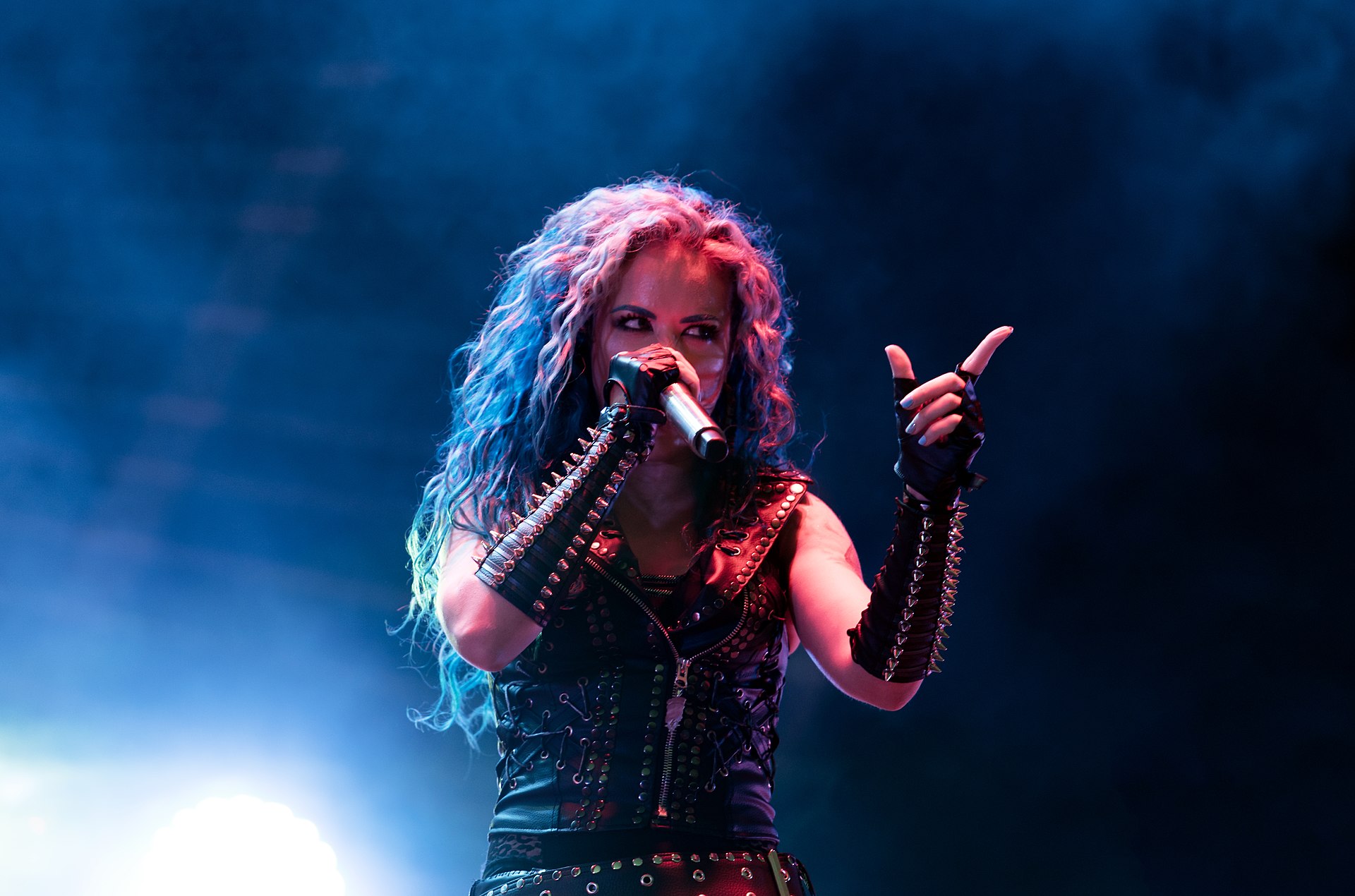
Most bands don’t survive replacing a vocalist once. Arch Enemy has now done it three times, and one of those handoffs was planned in-house like a corporate succession. This is the whole chain, in order.
The voice is supposed to be the one instrument you can’t swap. Fans forgive a new bassist. A new drummer gets maybe two shows of side-eye. But to most ears the voice is the band, which is why vocalist changes are where bands go to die.
The most famous vocal hook in “Fear of the Dark” isn’t on the album. A crowd wrote it, and one crowd in particular, 250,000 strong in Rio, made it permanent.
Play the studio version. Something’s missing.
Put on the studio cut of “Fear of the Dark”, title track and closer of Iron Maiden’s ninth album, released May 11, 1992. Great song: moody intro, a gallop in the middle, that circling guitar melody. But if you’ve only ever heard it live, or watched any concert footage from the last three decades, you’ll notice a hole where something should be.
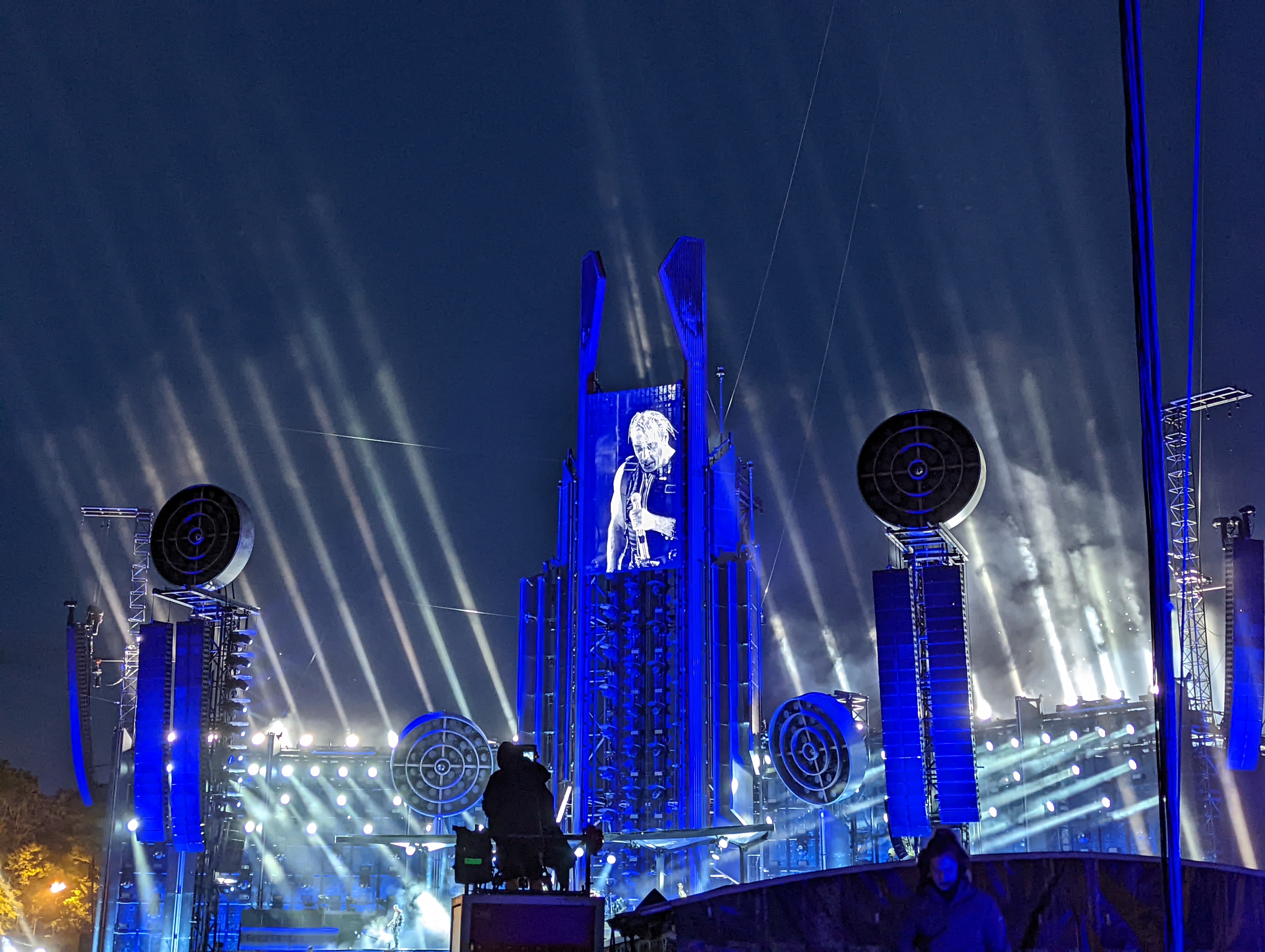
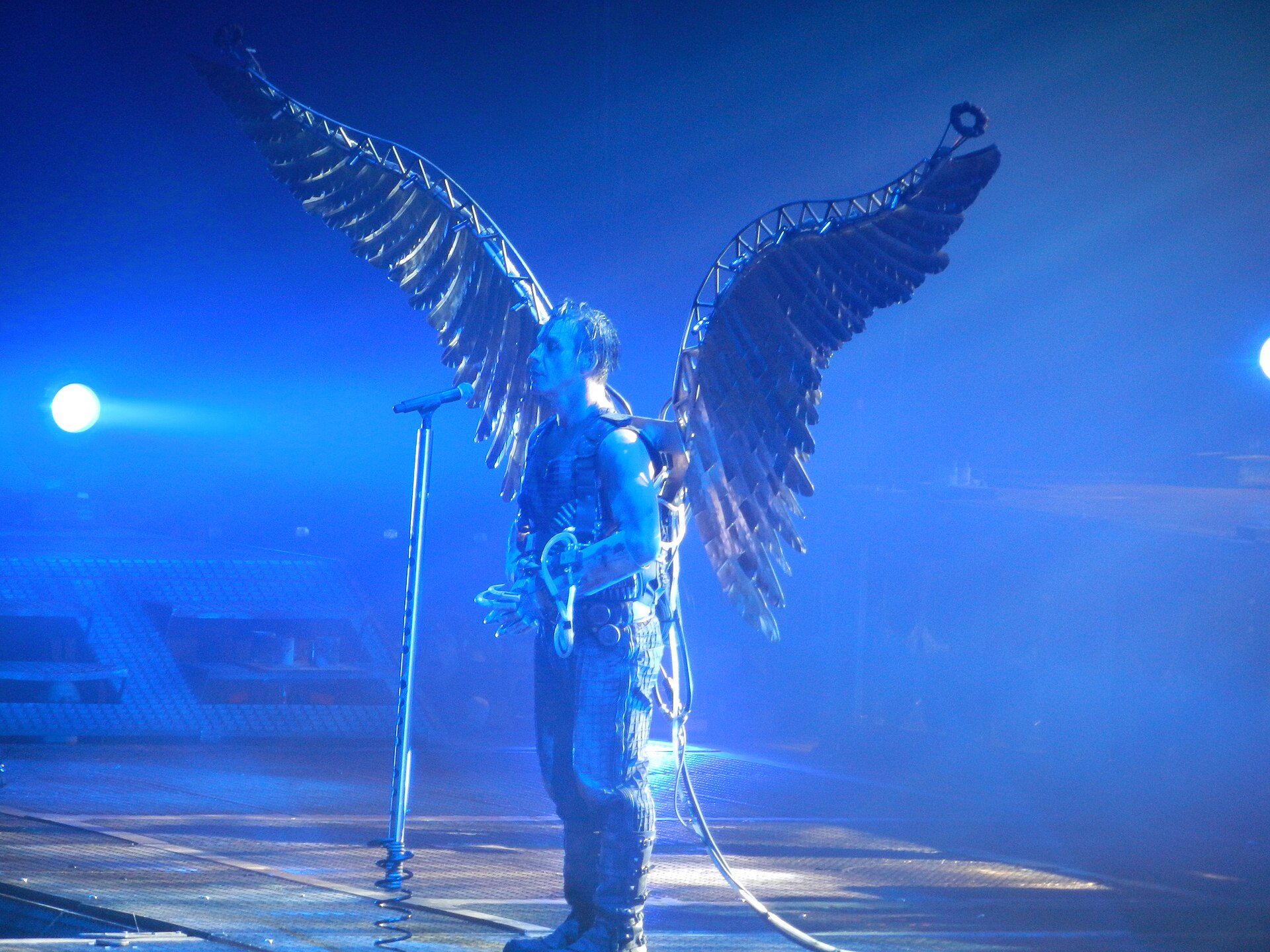
A LED in Till Lindemann’s mouth, a slow elevator, and one song built to announce the band playing it: why the LIFAD-era opening was strong enough for Rammstein to reuse it in 2023.
The moment, in case you haven’t seen it
The house goes dark. Then one point of light appears above the stage, and it’s coming from inside Till Lindemann’s mouth. He’s riding an elevator down, slowly, singing the opening lines of “Rammlied” with his face lit from within like a jack-o’-lantern that decided to front a band. While he descends, the rest of Rammstein (everyone except drummer Christoph Schneider) rises through a hatch in the center of the stage, per the staging breakdown on RammWiki.
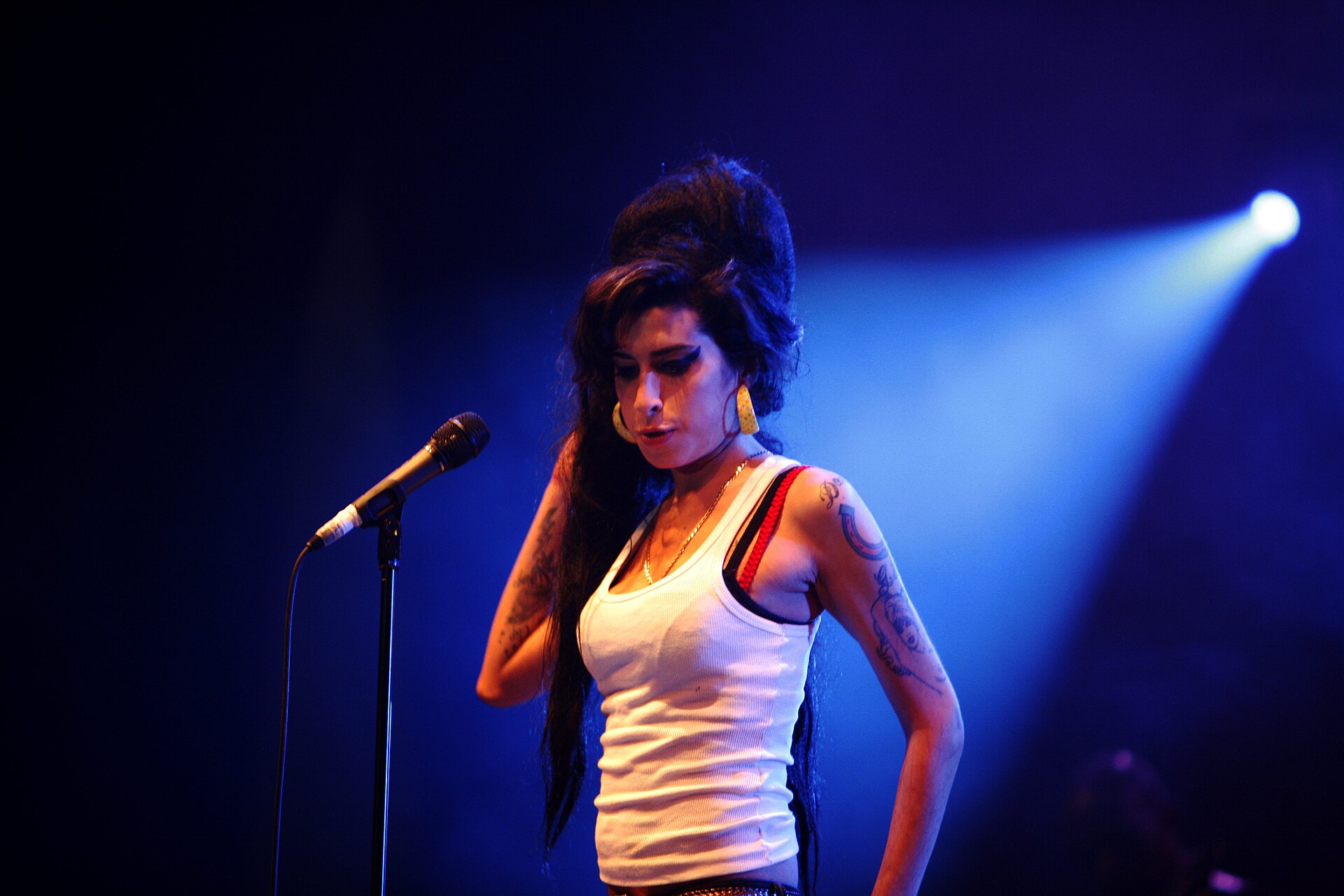
Fifteen years after Amy Winehouse died, the 27 Club is still selling out tribute shows. So we did the lab thing and ran the myth against the actual data. What we found is stranger than a curse.
The club nobody applied to
Last week, on July 23, 2026, it was fifteen years since Amy Winehouse died of alcohol intoxication at her home in Camden. Her estate marked the anniversary with a tribute, and her mother Janis gave a rare interview calling her “a victim of her own success” (Rolling Stone). The coroner’s verdict in 2011 was “death by misadventure.” She was 27.
Everyone remembers the blockhead movers from 1985. Almost nobody remembers the two animators behind them, or that their next act was the first all-CGI TV series in history.
First, let’s kill the myth
Ask anyone to name the first computer-animated music video and you’ll get the same answer: Dire Straits, “Money for Nothing,” 1985. The blocky delivery guys. The floating dog. “I want my MTV.”
Keith Richards told Uncut the Stones may swap touring for a residency. That one sentence sits on a straight line running from Elvis in 1969 to the Eagles at the Sphere, and Mick Jagger just pushed back.
The quote
Talking to Uncut around the release of Foreign Tongues, the Rolling Stones’ 25th studio album, out July 10, 2026, Keith Richards was asked about the band’s live future. His answer, as reported by Rolling Stone and Billboard citing that interview:
Judas Priest just played “The Ripper” live for the first time since 2019, in the same month the singer it nicknamed gave one of his most honest interviews about the job. The quote is twelve words. The web behind it runs from 1996 to right now.
Three straight Grammy nominations, a Grammy-stage performance, and an arena tour on deck: Spiritbox is metal’s new blood. Trace the signal chain in their guitars and you find a twenty-year lineage that starts with one slurred syllable in Sweden.
In February 2026, Spiritbox played “Soft Spine” on the Grammy stage, in their third consecutive year nominated for Best Metal Performance (Revolver has the clip). Turnstile took the trophy home. Fine. Awards are a lagging indicator anyway.
When Gojira lost their drummer to a US immigration problem in July 2026, they called a 21-year-old Brazilian. If that sounds familiar, it’s because it keeps happening, and this piece is about the pattern.
The news, in sixty seconds
Mid-July 2026, Gojira had three American festival dates on the calendar and a serious problem: Mario Duplantier, the drummer, one half of the Duplantier brothers and arguably the most recognizable rhythmic voice in modern metal, couldn’t get into the country. The band’s statement kept it short: “Mario is dealing with an immigration issue that has made it impossible for him to travel to the US in time for our shows” (Loudwire, July 16, Lauryn Schaffner).
A cello bow dragged across guitar strings sounds like a ghost every time it resurfaces, and it keeps resurfacing. This is the chain of custody, from a 1966 mod-rock single to a metalcore stage in 2026.
There’s a clip going around right now: a guy pulls a violin bow across an electric guitar and the comments lose their minds like the technique was invented last Tuesday. (The clip is by Artem Komlev, an independent creator, and credit where it’s due, it’s a great 30 seconds.) The bowed guitar has a habit, though: every generation discovers it, thinks it’s new, and makes it sound like a completely different instrument.
On Sunday, 82,500 people at MetLife Stadium will sing a riff written in a Detroit two-piece’s practice space. Here’s the verified chain of how seven notes with no words conquered the terraces, and why Queen engineered the blueprint thirty years earlier.
The final has no rock band on the marquee. Listen anyway.
This Sunday, July 19, Argentina and Spain meet at MetLife Stadium in the 2026 World Cup final, the first final in World Cup history with a halftime show. The bill, per Global Citizen, is Madonna, Shakira and BTS co-headlining, with Burna Boy, Justin Bieber, Gustavo Dudamel, and the PS22 Chorus featuring Coldplay, all curated by Chris Martin. The closest thing to a rock band on that stage is a Coldplay cameo backing a school choir.
Rock almost never gets to choose how it ends. On July 5, 2025, at Villa Park, Ozzy Osbourne did, and the seventeen days that followed turned one farewell show into the most complete goodbye the genre has ever pulled off.
Rock is terrible at endings
Think about how rock careers actually end: a cancelled tour, a press release, a farewell run that turns into three more farewell runs, a slow fade into casino residencies, or a sudden stop in a hotel room that nobody chose. The catalog gets a deluxe reissue and the story trails off.
Deep Purple’s management announced the band’s dissolution on July 19, 1976. Almost exactly fifty years later, SPLAT! landed as studio album number twenty-four. The thread connecting those two dates runs through one producer, who spent 1976 in a studio with KISS.
The day the machine stopped
In the summer of 1976, Deep Purple was over, with none of the usual hedging about hiatuses or solo projects. The official announcement came through the band’s management on July 19, 1976, though the machine had seized up months earlier, on a stage in Liverpool.
Rock has been writing letters to its kids for fifty years. Halestorm’s ‘Dear Daughter’ is the first one addressed to a child who doesn’t exist, and that’s why it works.
The lineage: rock’s closed letters
There’s a whole branch of the rock family tree that most people never map, because the songs on it don’t sound alike. They’re connected by who they’re written to.
Bob Dylan’s “Forever Young” is the structural grandparent: a blessing-list, one wish per line, sealed and handed down. John Lennon’s “Beautiful Boy (Darling Boy)” did it for Sean. David Bowie’s “Kooks” did it for Duncan, with a wink. Billy Joel’s “Lullabye (Goodnight, My Angel)” did it for Alexa. On the heavier side of the family, Staind’s “Zoe Jane” is the closest hard-rock analogue, and Creed’s “With Arms Wide Open” did it for a son who hadn’t even arrived yet.
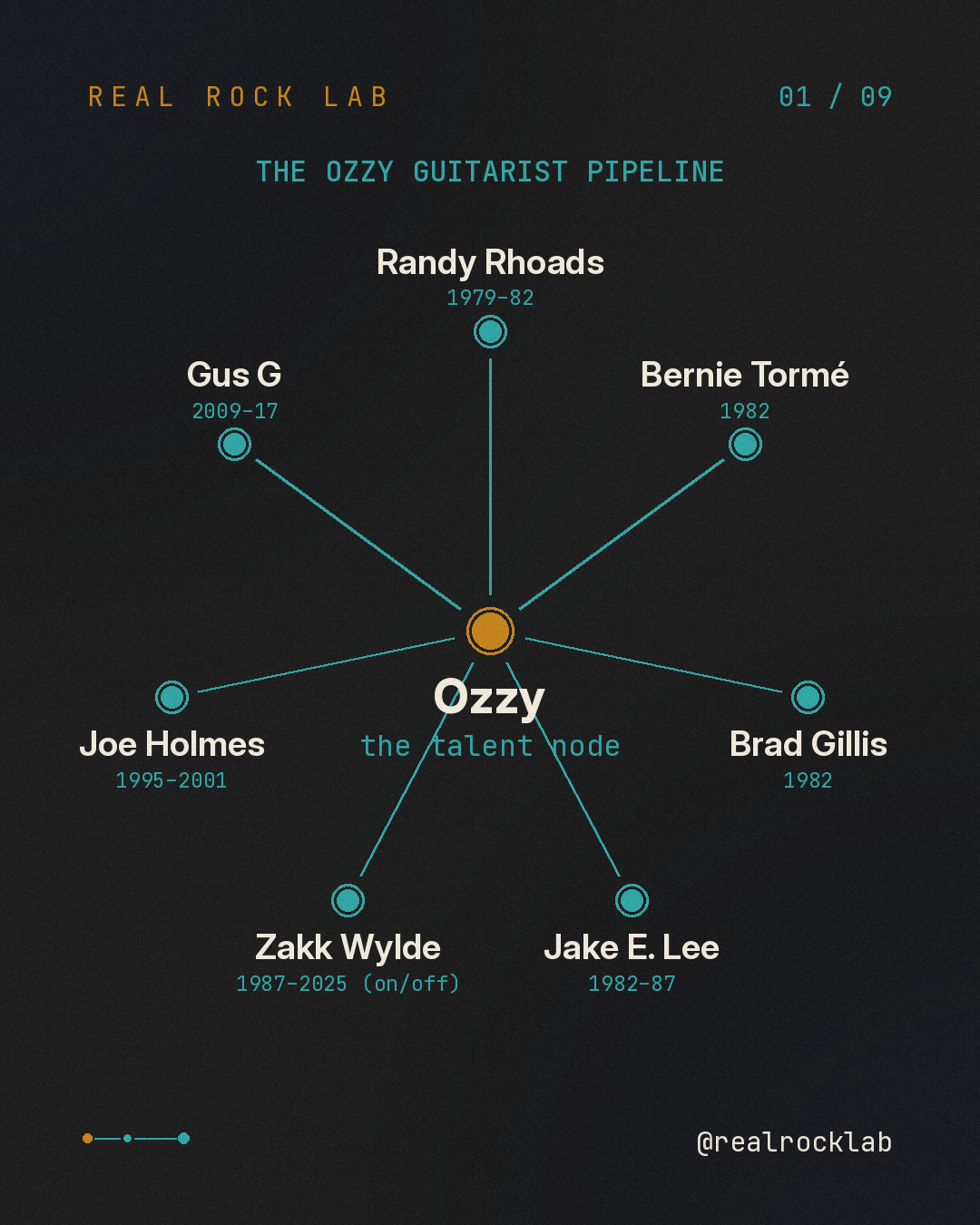
Part 2 of 4 in our series climbing to July 22. Ozzy Osbourne never scouted a guitarist in his life. He collided with them. Seven collisions, four decades, and a family tree half of rock still lives in.
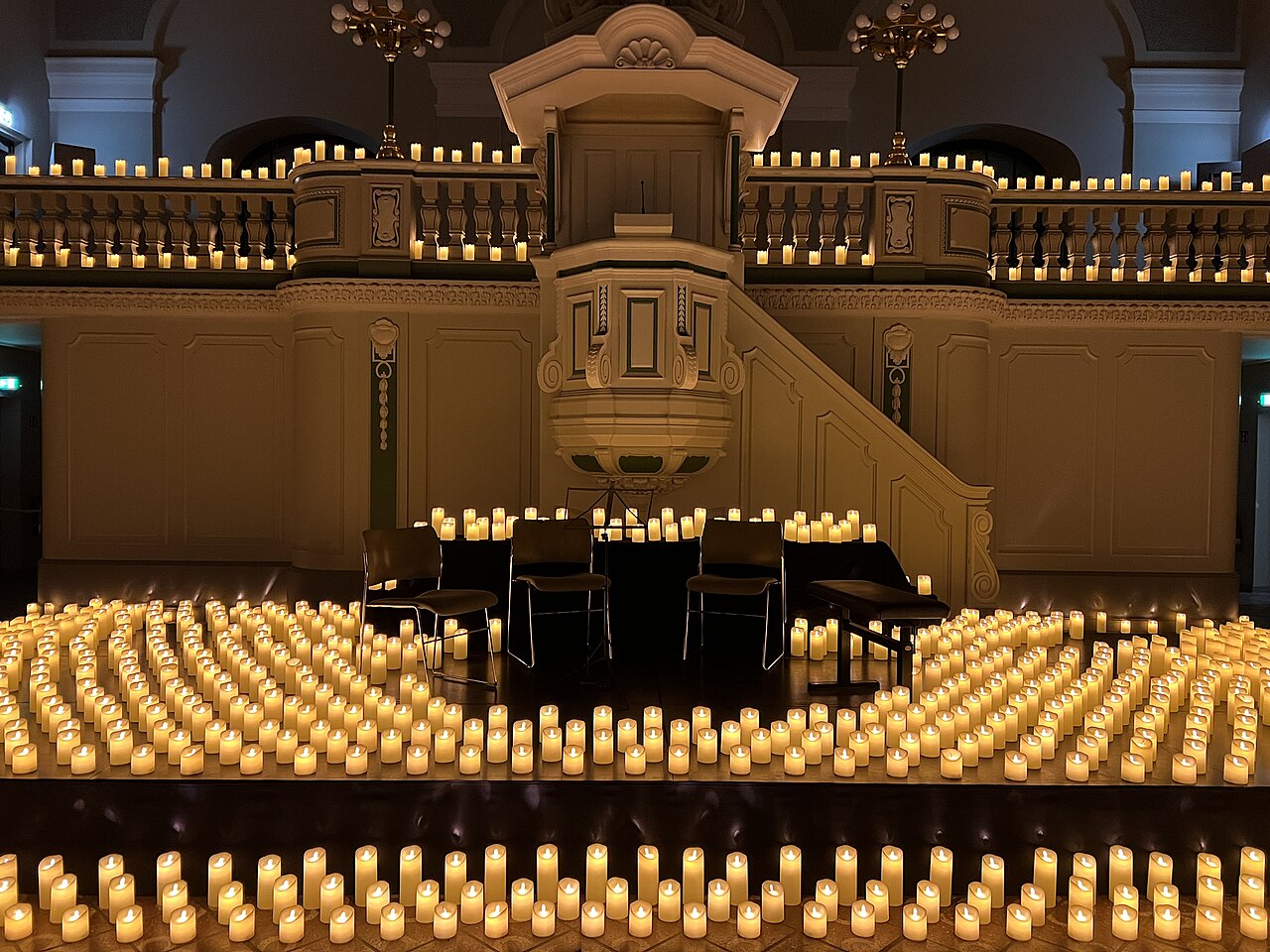
Fever’s Candlelight series is running an unprecedented rock and metal program across São Paulo, Rio, and Belo Horizonte in late 2026: System of a Down by string quartet, under the concrete span of MASP. The interesting question is why it works so well.
Picture the room for a second
A string ensemble, hundreds of flickering (LED, but still) candles, an audience sitting in respectful concert silence inside one of Brazil’s great cultural landmarks. Then the cellist digs into the opening riff of “Chop Suey!”
Almost a year after Ozzy Osbourne’s death, we’re tracing, in four connected pieces climbing to July 22, how Black Sabbath happened at all. It starts at a sheet-metal press in Birmingham, on the last day Tony Iommi ever intended to work there.
One shift left
It sounds like a screenwriter invented it: Birmingham, 1965. Tony Iommi is 17, working in a sheet-metal factory, and he’s already quit. He has one shift left before he leaves to go be a professional guitarist. He’d lined up a gig with a working band and a run of shows in Germany. It was his mother who talked him into going in for that final day rather than skipping it: finish it proper.
Deep Purple have a new album out, Splat!, released July 3, and an 86-show run across 28 countries and three continents booked behind it. That’s not the schedule of a band winding down, which is funny, because Deep Purple officially started saying goodbye a decade ago.
Asked about the end, bassist Roger Glover didn’t blink. “We’re not gonna have a final tour, a final gig and make a hoopla about it,” he told Paul Cashmere in a video interview with Noise11 (2026).
Bon Scott would have turned 80 on July 9. The best way to honor him skips the highlight reel and goes back to the night in 1973 when he watched Brian Johnson scream himself off a stage, filed it away, and accidentally wrote the ending of his own band’s story seven years early.
The myth we’re here to break
There’s a version of AC/DC history everyone carries around: two bands, cleanly split. The Bon Scott era, sweaty, sly and dangerous, and the Brian Johnson era, the stadium machine that made Back in Black. Before and after, original and replacement.